As temperatures drop, have you considered if your furry friend needs extra warmth? Pet clothes have become increasingly popular, offering not just style but essential protection. For many dogs, winter clothes are more than a fashion statement—they're a necessity. Cats, too, may benefit from added layers, especially those with thin fur. In this post, you'll learn why pet clothes matter and how to choose the right winter wear for your dog or cat.
Understanding Your Dog's Winter Needs
Factors Influencing the Need for Winter Clothes
Whether your dog needs winter clothes depends on several factors. First, consider the weather conditions. If it's cold, wet, or windy outside, your dog might need extra protection. Snow and ice can chill them quickly, especially if they get wet. Even if temperatures aren't freezing, wind chill can make it feel much colder for your dog.
Your dog's health also matters. Older dogs, puppies, or those with medical conditions like arthritis or heart problems may struggle to keep warm. Dogs with thin fur or low body fat lose heat faster and often benefit from coats. Small dogs generally lose heat faster than large ones because of their size and surface area.
Activity level plays a role too. If your dog is running and playing, they generate body heat and might not need a coat. But if they are walking slowly or standing still, they can get cold quickly and need extra warmth.
Recognizing Signs Your Dog is Cold
It’s important to watch for signs your dog is feeling cold. Common signs include:
● Shivering or trembling
● Whining or barking more than usual
● Lifting paws off cold ground
● Hunched posture or tucked tail
● Seeking warmth by burrowing under blankets or near heaters
● Slowing down or refusing to go outside
If you notice these signs, it’s a good idea to put a coat on your dog or bring them indoors to warm up.
Importance of Breed and Size
Some breeds handle cold better than others. Dogs like Siberian Huskies or Alaskan Malamutes have thick double coats made for snowy weather. They usually don’t need extra layers. On the other hand, breeds like Chihuahuas, Greyhounds, or Whippets have thin fur and less body fat, so they get cold easily.
Small breeds, regardless of fur type, often need coats because they lose heat quickly. Similarly, dogs with short legs, such as Dachshunds or Corgis, are closer to the cold ground and may benefit from extra protection.
Remember, every dog is unique. Mixed breeds or dogs with clipped fur might need coats even if their breed normally doesn’t. Always consider your dog’s individual needs over breed generalizations.
Which Dog Breeds Need Winter Clothes?
Breeds Prone to Cold Weather
Some dog breeds are naturally built to handle cold weather, while others feel the chill much quicker. Breeds like Siberian Huskies, Alaskan Malamutes, and Bernese Mountain Dogs have thick double coats designed for freezing temperatures. These dogs usually don’t need extra layers because their fur insulates them well.
On the flip side, dogs bred for warmer climates or with thin coats often need protection. For example, breeds like Chihuahuas, Greyhounds, and Whippets have very little fur and low body fat, making them vulnerable to cold. These breeds lose body heat quickly and benefit greatly from winter clothes.
Small and Thin-Furred Dogs
Small dogs, regardless of breed, tend to get cold faster than larger dogs. Their small size means they have more surface area relative to their volume, causing greater heat loss. Even a small dog with a thicker coat might feel cold in harsh weather.
Thin-furred dogs, such as Italian Greyhounds or Dachshunds, also need extra warmth. Their short hair offers little insulation, and they often shiver or lift their paws to avoid cold surfaces. For these dogs, a well-fitted winter coat can make outdoor time more comfortable and enjoyable.
Senior Dogs and Puppies
Age plays a big role in how dogs handle winter. Puppies have smaller bodies and less muscle mass, so they can’t generate or retain heat as well as adults. Senior dogs may have health issues like arthritis or weaker immune systems that make cold weather tougher on them.
Both groups often benefit from winter clothes. A cozy sweater or insulated jacket helps keep their body temperature steady. It can also ease joint stiffness caused by cold, making walks and playtime less painful.
Choosing the Right Winter Clothes for Your Dog
Types of Winter Clothes for Dogs
When selecting winter clothes for your dog, it helps to know the options available. Here are common types:
● Sweaters: Great for mild cold or indoor warmth. Usually made from knit or fleece, they provide cozy insulation.
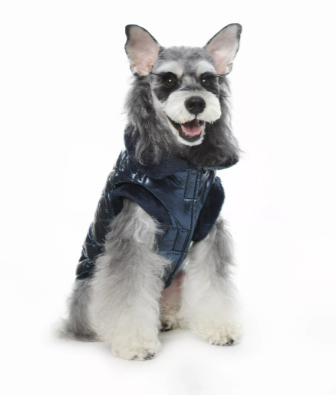
● Coats and Jackets: Designed for colder weather, they often have waterproof or windproof outer layers. Some come insulated for extra warmth.
● Vests: These cover the dog's torso and offer warmth without restricting movement. Ideal for active dogs or layering under a coat.
● Raincoats: Lightweight and waterproof, perfect for wet but not freezing days.
● Boots: While not clothes, boots protect paws from cold, ice, salt, and rough surfaces.
Choosing the right type depends on your dog's needs, activity, and local climate.
Material Considerations
Materials affect warmth, comfort, and durability. Here are key points:
● Insulation: Fleece and wool offer good warmth. Thicker insulated jackets often include synthetic fill like polyester or down alternatives.
● Waterproofing: Look for water-resistant or waterproof fabrics, especially if your dog will face snow or rain. Wet fur chills dogs quickly.
● Breathability: Materials should allow moisture from sweat to escape, preventing overheating during activity.
● Softness: Soft linings avoid skin irritation, especially for dogs with sensitive skin.
● Durability: Tough outer shells resist tears and abrasions from outdoor play.
Avoid fabrics that cause allergies or discomfort. If unsure, consult your vet about suitable materials for your dog.
Ensuring Proper Fit and Comfort
Proper fit is crucial for your dog's safety and happiness. Follow these tips:
● Measure Your Dog: Use a soft tape measure to record girth (widest part of the chest), neck circumference, and back length.
● Check Size Charts: Brands provide sizing guides based on measurements. Choose the closest size for a snug but not tight fit.
● Allow Movement: Clothes should not restrict walking, running, or bathroom needs.
● Avoid Pressure Points: Straps or fasteners should not pinch or rub.
● Easy On and Off: Velcro or snap closures make dressing less stressful.
● Watch for Behavior: If your dog tries to remove the clothes or acts uncomfortable, reassess fit or material.
Remember, a well-fitted coat keeps your dog warm without causing stress or limiting activity.
Do Cats Need Winter Clothes?
Assessing the Need for Cat Clothes
Unlike dogs, cats usually have thick fur coats that help them stay warm in winter. Most indoor cats don’t need extra clothing since their home environment is controlled. However, outdoor cats or those who spend time in chilly garages, porches, or unheated spaces might benefit from some warmth.
Cats with thin or short fur, such as Siamese or Sphynx breeds, often feel cold faster. Older cats, kittens, or those with health issues may also struggle to maintain body heat. If your cat shivers, curls tightly, avoids cold floors, or seeks warmth more than usual, it could be a sign they need extra insulation.
Keep in mind, cats are more sensitive to stress than dogs. They may resist wearing clothes, so assess their comfort carefully before adding layers.
Types of Clothes Suitable for Cats
If you decide your cat needs clothes, choose items designed specifically for feline comfort. Here are some common options:
● Sweaters and Pullovers: Lightweight, stretchy, and soft fabrics like cotton or fleece work well. They provide gentle warmth without restricting movement.
● Vests: Cover the torso while leaving limbs free, allowing cats to move easily.
● Hoodies: Offer extra neck and head warmth but should be used cautiously as some cats dislike head coverings.
● Blanket-style Wraps: For cats that don’t tolerate fitted clothes, a wrap or blanket can provide warmth during rest.
Avoid anything bulky or complicated to put on. The goal is warmth and comfort, not fashion.
Safety and Comfort Considerations
When dressing cats, safety is paramount. Keep these tips in mind:
● Proper Fit: Clothes should be snug but not tight. Avoid restricting breathing, movement, or access to litter boxes.
● No Loose Parts: Remove buttons, zippers, or embellishments cats might chew or swallow.
● Supervised Wear: Never leave a dressed cat unattended. They may try to remove clothes and get tangled.
● Monitor Behavior: Watch for signs of stress like excessive grooming, hiding, or agitation. If your cat seems uncomfortable, remove the clothing.
● Material Choice: Use soft, breathable fabrics to avoid overheating or skin irritation.
If your cat strongly rejects wearing clothes, consider alternative ways to keep them warm, such as heated beds or cozy blankets.
Benefits of Pet Clothes in Winter
Protection from Elements
Winter weather can be harsh on pets. Clothes shield dogs and cats from cold winds, rain, snow, and ice. A waterproof or windproof jacket keeps fur dry and prevents chilling. Wet fur loses heat quickly, raising risk of hypothermia. Clothes act as a barrier, blocking moisture and cold air. This protection is especially important for small, thin-furred, or short-legged pets who are closer to icy ground. Even pets used to cold weather can benefit during extreme conditions or when inactive outside.
Enhancing Outdoor Adventures
Pet clothes extend outdoor playtime and walks during winter. When warm and dry, dogs and cats enjoy exploring longer without discomfort. Jackets and sweaters help maintain body heat during slow walks or rest breaks. Clothes designed for active pets offer freedom to move and play while staying warm. This encourages exercise, which supports health and mood in colder months. For owners, seeing a happy, comfortable pet outdoors makes winter activities more enjoyable.
Improving Visibility and Safety
Many winter pet clothes include reflective strips or bright colors. These features boost visibility during early mornings, evenings, or snowy days with low light. Enhanced visibility reduces risk of accidents near roads or in parks. It also helps owners spot their pets quickly in snow or dim conditions. Some pet coats come with safety attachments for leashes or harnesses, keeping pets secure. Safety-focused design is a key benefit of winter clothes beyond warmth.
Common Concerns and FAQs
Is it Safe to Dress Pets?
Dressing pets in winter clothes is generally safe when done correctly. Clothes should fit well—not too tight or loose—to avoid restricting movement or causing discomfort. Choose soft, breathable materials that won’t irritate your pet’s skin. Avoid items with small parts like buttons or zippers that pets might chew or swallow. Always supervise your pet while dressed to prevent accidents or entanglement.
Keep in mind, not every pet enjoys wearing clothes. If your dog or cat shows signs of stress or tries to remove the garment repeatedly, it’s best to respect their feelings. Forcing clothes on a reluctant pet can cause anxiety and reduce their enjoyment of outdoor time. Instead, adjust their environment or routine to keep them warm without clothing if needed.
Signs of Discomfort in Pets
Pets can’t tell us directly if they’re uncomfortable, so watch their behavior closely. Signs your pet may be unhappy wearing clothes include:
● Scratching or biting at the garment
● Shaking their head or body frequently
● Trying to remove the clothes with paws or mouth
● Limping or walking awkwardly
● Whining, whining, or showing signs of stress
● Hiding or avoiding interaction
If you notice these behaviors, remove the clothing and give your pet a break. Sometimes, discomfort comes from poor fit or material choice, so reassess those factors before trying again. Always prioritize your pet’s comfort over appearance.
Consulting with a Veterinarian
When unsure about dressing your pet for winter, ask your veterinarian. They can provide tailored advice based on your pet’s breed, age, health, and local climate. Vets can also recommend suitable materials and styles that minimize risk of allergies or skin irritation.
If your pet has medical conditions like arthritis, heart disease, or skin problems, a vet’s guidance is especially important. They might suggest specific types of clothing or alternative ways to keep your pet warm, such as heated bedding or limited outdoor exposure.
Regular vet check-ups during winter help monitor your pet’s health and ensure their cold weather needs are met safely.
Conclusion
Understanding if your dog needs winter clothes involves assessing weather, breed, and individual health needs. Small, thin-furred, or inactive dogs may benefit from extra protection. Pet clothes can enhance outdoor activities and improve safety with features like waterproof fabrics and reflective strips. Wan Talk offers a range of winter clothes designed for comfort and visibility, ensuring pets stay warm and safe during cold months. Keep your pets cozy and secure this winter with Wan Talk's specially crafted products.
FAQ
Q: Does my dog need winter pet clothes?
A: Dogs with thin fur or low body fat, like Greyhounds, often benefit from winter pet clothes for warmth and protection against cold weather.
Q: How can I tell if my dog needs dog clothes in winter?
A: Signs your dog may need winter dog clothes include shivering, whining, lifting paws off the ground, or seeking warmth indoors.
Q: Do cats need winter cat clothes?
A: Most indoor cats don't need winter cat clothes, but outdoor cats or those with thin fur might benefit from extra warmth.
Q: What are the benefits of pet clothes in winter?
A: Pet clothes provide protection from cold elements, enhance outdoor adventures, and improve visibility and safety during winter activities.


