Introduction
A dog puffer jacket keeps winter walks warm and safe. Many owners wonder how to fit a dog puffer jacket without slipping or rubbing. In this article, we share simple Pet Jacket fit tips, with quality options like Wan Talk’s dog winter jacket. You will learn sizing steps and learn more about our products.
Why Proper Fit Matters for a Dog Puffer Jacket
Comfort and mobility during winter walks
A puffer dog jacket should feel natural when your dog moves. They walk, jump, and turn fast, so the coat must not block the shoulders. If it feels too tight, it may limit steps and cause stiff posture. If it feels too loose, it can flap and distract them. Comfort affects mood as well, because dogs may freeze or paw at the fabric when it feels wrong. A snug dog coat supports smooth motion and better focus outside. It also reduces rubbing during longer walks. When the fit is right, your dog stays warm and confident, even on windy days. Premium outdoor Pet Jackets like Wan Talk’s often highlight 3D ergonomic shaping to avoid joint restriction during movement.
Warmth and protection from cold wind
Warmth is the main goal of a dog winter jacket. Puffer designs work by holding warm air close to the body. Gaps around the neck or belly let cold air rush in. That reduces insulation fast. Small breeds and short-haired dogs feel this change quickly. A properly fitted Pet Jacket covers the chest and keeps heat stable. It also blocks icy wind during longer outdoor time. If the coat shifts backward, key areas become exposed. A good fit keeps coverage steady and helps prevent shivering. It also makes winter walks longer and more enjoyable for both of you.
Safety issues from slipping or rubbing
Fit also impacts safety, not only comfort. A jacket that slips can tangle near the legs. It may cause tripping or awkward movement. Tight straps can rub the underarms and create sore spots. Loose closures may catch on branches or leash clips. Dogs may bite at irritating seams and damage the coat. Reflective trim only works when the jacket stays in place. Owners should check movement in a safe indoor space first. A secure fit reduces injury risk and keeps the coat working as true winter gear. High-visibility features, like Wan Talk’s embedded reflective system, are most effective when the jacket remains properly aligned.
Tip: For B2B sellers, include a simple fit checklist and movement test guide to reduce returns.
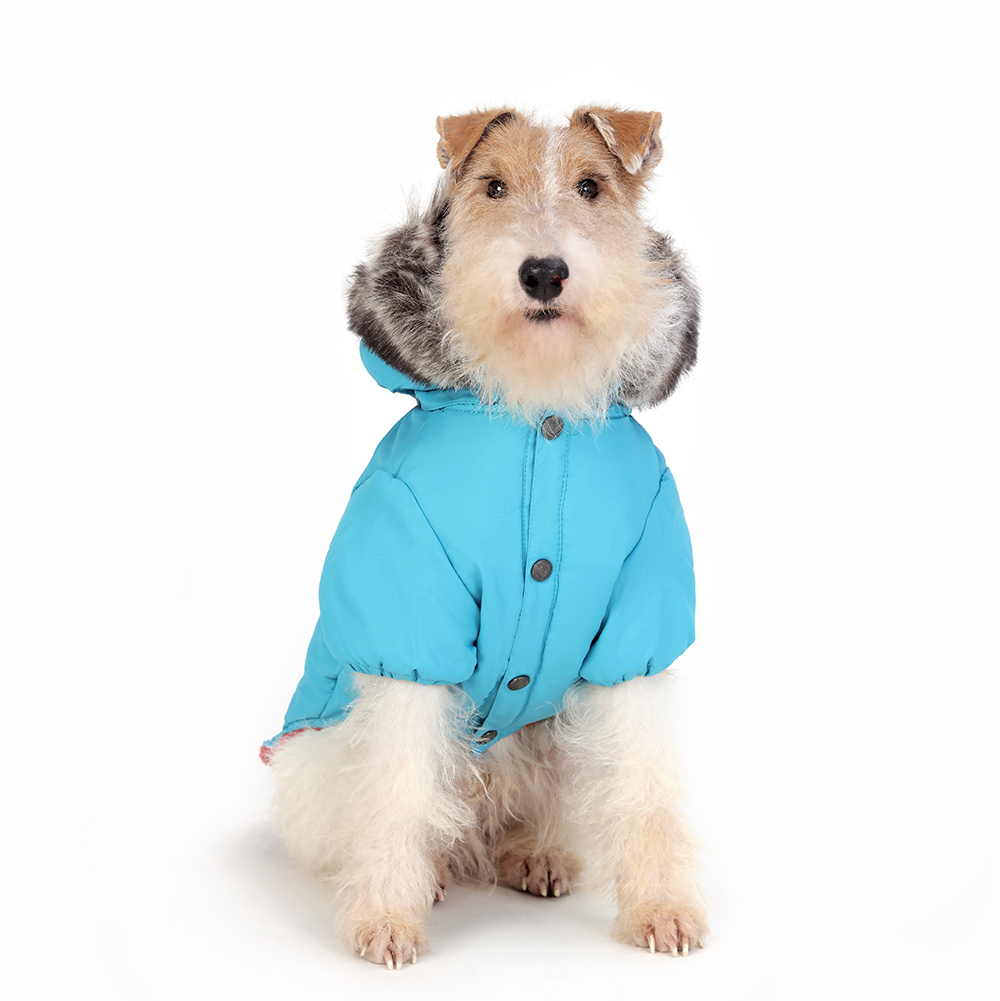
Step-by-Step Guide to Measuring Your Dog for the Perfect Fit
Measuring chest girth, neck, and back length
The best way to measure dog for winter jacket sizing is to focus on three areas. First, measure back length from the neck base to the tail base. Second, measure chest girth around the widest rib area, just behind the front legs. Third, measure neck size where a collar sits. These numbers matter more than weight alone. Many dogs share the same weight but have different body shapes. Accurate measuring helps prevent jackets that squeeze or slide. It also makes the dog puffer jacket sizing guide much easier to follow. When you measure carefully, you create the foundation for a comfy winter fit.
Using a dog puffer coat size chart guide correctly
A dog puffer coat size chart guide works best when you match real measurements, not guesses. Use a soft tape and keep your dog standing straight. Do not pull too tight, but avoid extra slack. Each brand may size differently, so always check the chart before buying. If your dog sits between sizes, choosing the larger one often improves comfort. You can adjust straps later for a snug dog coat feel. This approach reduces stress and helps dogs accept their Pet Jacket faster. Size charts also help retailers offer better fit support for customers. Many premium jackets, including Wan Talk’s outdoor-focused designs, include multi-point adjustment locks for a more customized fit.
Avoiding common measuring mistakes
Many owners measure while the dog is sitting or twisting. That creates wrong numbers. Another mistake is ignoring chest girth, which is the most important fit point. Some people rely only on breed labels like “small” or “medium.” Body shape matters more than labels. Broad-chested dogs need different cuts than slim dogs. Owners also forget belly coverage, which helps warmth in snow. Measuring carefully prevents wasted purchases and discomfort. It also helps you choose a jacket that supports both warmth and movement during winter walks.
Measurement Area | How to Measure | Why It Matters |
Back length | Neck base to tail base | Ensures full coverage |
Chest girth | Widest rib area behind legs | Prevents tightness or slipping |
Neck size | Around collar area | Keeps jacket secure |
Belly fit (optional) | Lower torso wrap | Adds warmth and stability |
Tip 1: Choose the Right Dog Puffer Jacket Size First
Signs the dog puffer jacket is too tight
A dog puffer jacket too tight will show clear signs. Your dog may walk stiffly or refuse to move. Tight coats can press the chest and limit breathing during play. You may see rubbing under the arms or red marks after a short walk. Dogs may also scratch or bite at the jacket because it feels uncomfortable. A good rule is the two-finger test under straps. If you cannot fit two fingers, size up. A snug fit should feel secure but never restrictive. Comfort always comes before style in winter gear.
Signs the jacket is too loose or slipping
Loose jackets cause different problems. If the coat slides sideways, it will not trap heat well. Gaps allow cold wind to enter. A slipping Pet Jacket may bunch near the shoulders or twist during running. Dogs can step into loose fabric and trip. Owners should check fit while the dog walks, not only while standing. A stable dog winter jacket snug fit stays aligned with the spine. When it stays in place, warmth and safety improve at once. Wan Talk’s adjustable buckle system is one example of how premium jackets can reduce slipping for active dogs.
Best dog puffer jacket for small breeds vs large dogs
Small dogs lose heat faster, so they need insulation and a close fit. The best dog puffer jacket for small breeds often uses lightweight warmth and adjustable straps. Large dogs may need stronger outer fabric and wider chest cuts. Active breeds also need durable stitching for rough play. Choosing the right jacket depends on size, shape, and lifestyle. Some premium outdoor options, like Wan Talk’s professional Pet Jacket designs, focus on stable fit and tear-resistant fabrics across many sizes. This helps both small and large dogs stay comfortable in winter.
Tip 2: Adjust Straps for a Snug Dog Coat Fit
How to adjust straps on a dog jacket properly
Straps are key for comfort. They allow you to customize the fit around chest and belly. Tighten them until the jacket feels secure, but not pressing. Use the two-finger space rule for safety. Straps should lie flat and not twist. Adjust them while the dog stands, then recheck while walking. Proper strap adjustment keeps insulation in place and stops sliding. It also reduces rubbing during long outdoor time. A well-adjusted Pet Jacket feels like part of the dog’s body, not a burden. Many outdoor-grade jackets emphasize multi-point locking adjustments for better stability.
Keeping a Pet Jacket from slipping during movement
Dogs move fast, so slipping is common when straps are loose. Check if the jacket shifts backward after a few steps. Tighten the chest strap slightly if needed. If it rotates sideways, adjust the belly strap. Movement tests help you see real fit issues early. A stable dog winter jacket supports warmth because fewer gaps appear. Premium jackets often include multi-point adjustment systems, like those seen in Wan Talk’s outdoor-ready Pet Jacket line. Stability improves comfort and reduces distractions on walks.
Avoiding pressure points and rubbing
Straps that are too tight create pressure points. Underarm rubbing is one of the most common problems. Owners should inspect skin after short wear sessions. Soft lining and smooth seams help prevent irritation. Dogs with sensitive skin may need extra gentle fabrics. Adjusting straps properly solves many comfort issues. A snug dog coat should never pinch. When pressure is removed, dogs relax and accept winter gear more easily.
Tip 3: Check Mobility and Range of Motion
Testing shoulder and leg movement
Mobility testing is essential. Dogs must lift their legs freely and stretch naturally. Shoulders matter most because they drive movement. If the jacket pulls when the dog steps forward, it may be too tight or poorly cut. Ask your dog to sit, walk, and run indoors. Watch for stiffness or hesitation. A dog winter jacket fit for active dogs should support motion, not block it. Proper range of motion prevents injury and makes winter adventures more fun.
Ensuring the dog winter jacket snug fit stays secure
A coat can look fine when still, then shift once the dog moves. Owners should observe the jacket after a few minutes of walking. If it twists, straps may need adjustment. Ergonomic shaping also helps stability. Outdoor-focused designs often reduce shifting through better panel placement. Wan Talk’s professional Pet Jacket concept highlights motion-friendly cuts that stay aligned. Secure fit improves warmth, safety, and comfort during every outing.
Spotting restriction before outdoor adventures
Always test indoors first. Cold weather makes adjustments harder outside. Spot restriction early so your dog does not associate the jacket with discomfort. Dogs that feel comfortable inside will accept it outdoors faster. This step also helps owners avoid long walks with poor fit. A few minutes of testing saves stress later. Good preparation keeps winter outings smooth and enjoyable.
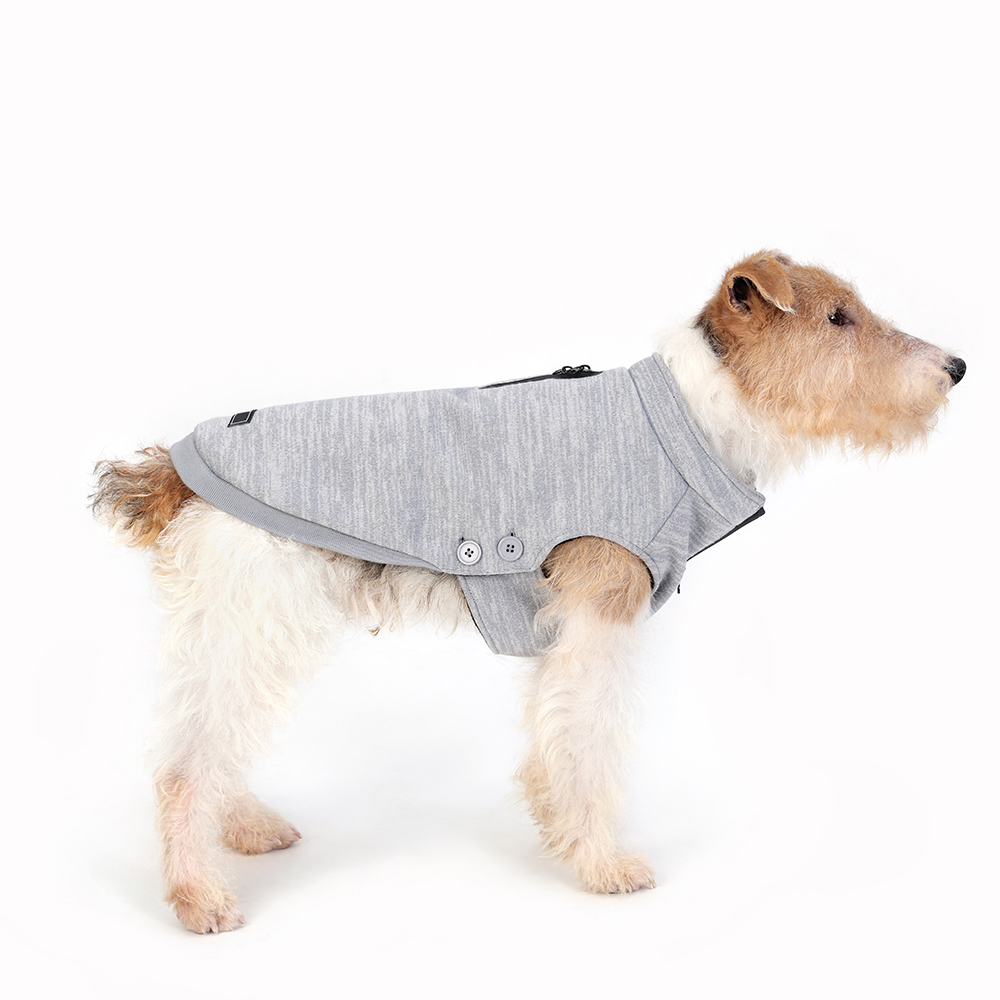
Tip 4: Look for Comfort Features in a Puffer Dog Jacket
Soft lining and breathable materials
Comfort starts inside the jacket. Soft lining prevents scratching and improves warmth. Breathable fabric reduces overheating during active play. Dogs need insulation, but they also need airflow. A puffer dog jacket should balance warmth and ventilation. Check the interior texture with your hand. If it feels rough, your dog may resist wearing it. Comfortable lining helps dogs accept winter gear for longer periods. It also reduces skin irritation during daily use. Wan Talk’s jackets often pair waterproof outer layers with breathable mesh lining for balanced comfort.
Reflective trim and outdoor safety details
Winter days are short, so visibility matters. Reflective trim helps others see your dog in low light. Many premium dog winter jackets include reflective piping for safety. This is useful near roads or during evening walks. Safety details add value beyond warmth. Wan Talk’s full-body reflective Pet Jacket system is one example of how comfort and safety can combine naturally. A jacket that keeps dogs visible also keeps owners calmer on dark winter mornings.
Closures that won’t pinch or annoy your dog
Closures affect daily comfort. Zippers can pinch fur if poorly designed. Velcro can collect debris and lose grip over time. Buckles may feel bulky for small dogs. Owners should choose closures that feel smooth and easy to use. If closures annoy the dog, they may refuse the coat. Comfort-focused design helps winter jackets become part of routine, not a struggle each day.
Tip 5: Train Your Dog to Wear a Jacket Comfortably
Introducing the jacket slowly
Training helps dogs accept new clothing. Dogs often resist unfamiliar fabric at first. Start by letting them sniff the jacket. Reward calm behavior with treats. Put it on briefly, then remove it. Gradual steps reduce anxiety and build trust. Forcing a jacket can create fear. Patient introduction helps dogs learn the coat means warmth and fun outdoor time. This approach is widely recommended in positive training methods (needs verification).
Using treats and positive reinforcement
Treats and praise create positive association. Put one paw through an opening, reward, then stop. Repeat with the other paw. Slowly build up to full wear time. Dogs learn the jacket brings rewards and walks. Positive reinforcement works better than scolding. It keeps training calm and effective. Over time, many dogs become excited when they see their Pet Jacket because it signals winter adventure.
Troubleshooting chewing or refusal
Some dogs chew straps or wriggle out. This may signal discomfort or poor fit. Adjust straps and check underarms for rubbing. Choose softer fabrics if noise or stiffness bothers them. Supervise early sessions so chewing does not become a habit. If refusal continues, take smaller steps and reward calm behavior. Training plus correct sizing solves most issues. A comfortable dog puffer jacket should feel safe, not stressful.
Note: Slow training and proper fit reduce anxiety and prevent negative jacket habits.
Common Fit Problems and Quick Fixes
Jacket rides up or twists sideways
If the jacket rides up, it may be too short or too loose at the chest. Twisting often means uneven strap adjustment. Recheck measurements and tighten straps slowly. Ergonomic cuts can reduce twisting. Correct alignment improves warmth and comfort during walks. A stable jacket stays centered along the spine.
Underarm rubbing or chafing
Underarm chafing is common with tight jackets. Size up if seams press near the legs. Look for soft lining and smooth edges. Check skin after short wear sessions. Preventing rubbing is important for long hikes or daily winter use. Comfort should always come first.
Overheating indoors or during active play
Dogs can overheat in insulated coats, especially indoors. Remove the jacket once inside. Active dogs may need lighter insulation during high-energy play. Watch for panting or restlessness. Adjust jacket choice to activity level. Winter gear should warm, not overheat. Balance is key for safety.
Problem | Likely Cause | Quick Fix |
Slipping jacket | Too loose or wrong size | Tighten straps or size down |
Tight chest area | Coat too small | Size up for comfort |
Twisting sideways | Poor adjustment | Rebalance belly and chest straps |
Rubbing underarms | Restriction or rough seams | Check fit, choose softer lining |
Conclusion
Knowing how to fit a dog puffer jacket keeps dogs warm and safe all winter. Accurate measuring, sizing, and strap adjustment create a snug dog winter jacket fit. Mobility checks and comfort features improve outdoor walks. Patient training helps dogs accept a Pet Jacket easily. Wan Talk offers adjustable, waterproof, reflective puffer jackets that add lasting winter value.
FAQ
Q: What is the best way to fit a dog puffer jacket?
A: The best way is measuring chest, neck, and back for a snug dog winter jacket fit.
Q: How do I know if my dog puffer jacket is too tight?
A: A dog puffer jacket too tight restricts movement and causes rubbing under the legs.
Q: How can I keep a Pet Jacket from slipping?
A: Use proper strap adjustment and follow dog puffer jacket sizing guide tips.
Q: Why is mobility testing important for a dog winter jacket?
A: Mobility testing ensures a dog winter jacket supports comfort and outdoor adventures.


