Introduction
Winter walks can feel tough for many dogs, and a well-fitted pet jacket keeps them warm and safe. In this guide, we explain how to measure your dog for a winter jacket and choose the best fit for dog jackets winter pet clothes. Brands like Wan Talk offer quality winter jackets for comfort and fit, so you can learn more about our products and find the right coat for your pup.
Why Proper Sizing Matters for Dog Jackets Winter
Warmth and Protection in Cold Weather
A winter dog coat works like a protective layer that traps body heat and blocks wind or rain. When the fit is correct, the jacket covers key areas such as the chest, back, and belly. This helps prevent your dog from shivering or becoming too cold during outdoor activity. Dogs that feel cold may shorten walks or refuse to go outside, which affects exercise and mental health. A properly sized dog winter jacket also reduces exposure to harsh weather, especially for breeds that are not built for winter climates. Many owners buy dog jackets winter pet clothes for warmth, but the real benefit only comes when the coat fits well. A loose jacket leaves gaps, while a tight one may compress insulation. Proper sizing ensures the coat performs as intended and keeps your pet cozy. High-quality outdoor jackets, including options like Wan Talk’s windproof and waterproof pet jacket designs, can provide full-season protection when they fit correctly.
Comfort and Freedom of Movement
Comfort is just as important as warmth. Dogs are active animals, and they need to walk, run, sit, and play without restriction. A jacket that fits correctly should feel secure but not tight. If the chest girth is too small, your dog may struggle to breathe comfortably or move their legs freely. If the coat is oversized, it can shift while walking and cause rubbing. Many dogs refuse to wear clothing when it feels awkward. That is why measuring a dog for pet clothes is essential. A good pet jacket guide always emphasizes mobility. When your dog can move naturally, they are more likely to enjoy wearing the coat, making winter outings easier for both of you. Some premium outdoor pet jackets are designed with 3D ergonomic tailoring, helping dogs stay flexible even during high activity.
Avoiding Jackets That Are Too Tight or Too Loose
Sizing mistakes are common because brands use different charts and labeling systems. A “medium” in one brand may not match another. Coats that are too tight can pinch around the neck or chest, leading to stress or skin irritation. Coats that are too loose can slide backward, twist, or even get caught during play. These issues can turn a helpful winter coat into a safety risk. That is why a dog jacket sizing process must focus on actual measurements, not guesses based on breed or weight alone. Choosing the right dog winter jacket size guide helps you avoid returns, wasted money, and discomfort for your dog. Adjustable buckle systems, like those found in some professional jackets, can also help fine-tune the fit across different body types.
How Fit Impacts Layering and Harness Use
Many dog owners want to layer sweaters or use a harness under a winter coat. This requires extra room, especially around the chest. A coat that fits perfectly without layers may become too tight once you add a harness. The best way to size a pet jacket is to consider how your dog will wear it daily. Adjustable straps can help, but starting with accurate measurements is key. If your dog falls between sizes, sizing up often provides better comfort and flexibility.
Tip: If your dog is between two sizes, choose the larger option to allow space for layering and harness wear.
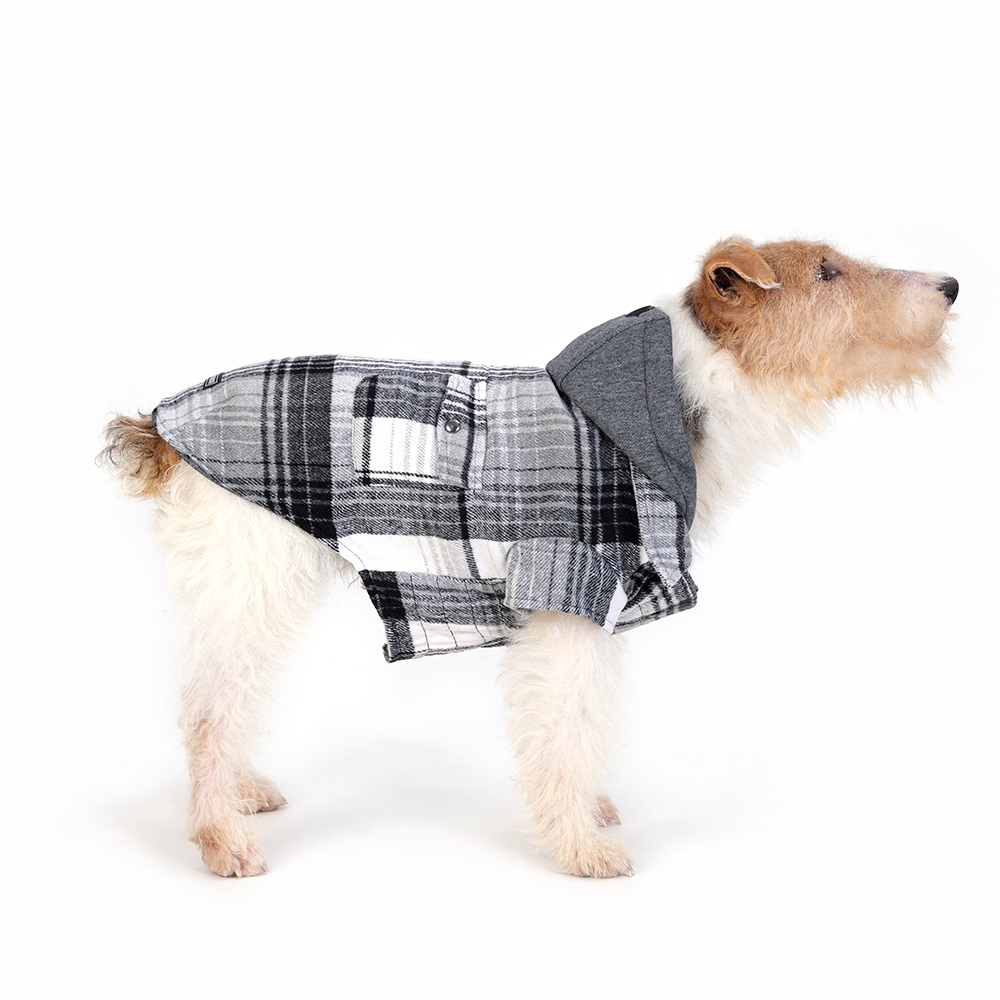
Key Measurements You Need Before Buying a Pet Jacket
Measuring Your Dog’s Back Length Correctly
The most important measurement for any winter dog coat is back length. To measure, start at the base of your dog’s neck, where the collar naturally sits, and run the tape along the spine to the base of the tail. Do not include the tail itself. This measurement determines how well the jacket covers the back. A coat that is too short may leave the lower back exposed, while one that is too long may interfere with movement. Back length is often the main sizing reference in dog jackets winter sizing chart systems. Always measure while your dog is standing straight, not sitting or lying down, to avoid inaccurate results. Outdoor-grade jackets, including Wan Talk’s professional outdoor pet jacket range, often rely heavily on precise back length for full-body coverage.
Chest Girth Measurement for the Best Fit
Chest girth is the second key measurement. Wrap the tape around the widest part of the chest, usually just behind the front legs. This ensures the coat will fit snugly around the body without squeezing. A proper chest measurement supports warmth and prevents slipping. If the girth is too small, the jacket will feel restrictive. If it is too large, cold air may enter through gaps. Measuring correctly helps you choose the right dog winter jacket size guide and ensures comfort during movement. The chest is often the deciding factor for broad-chested breeds such as Bulldogs or Pugs.
Neck Circumference and the Two-Finger Rule
Neck measurement is taken around the base of the neck, just like fitting a collar. Use the two-finger rule: you should be able to slide two fingers between the tape and your dog’s neck. This prevents choking and allows comfort. Some jackets rely on neck closures, while others are adjustable. Even if the coat does not require a neck size, it is still helpful information, especially for dogs with thick fur or extra skin folds. Neck fit impacts how secure the jacket feels and whether it rubs during walking.
Optional Measurements for Special Coat Designs
Some coats, especially jacket style designs with sleeves, may require additional measurements such as leg length. This is more common for highly insulated pet clothes sizing options. Dogs with unusual proportions, like Dachshunds, may also need specialty sizing. Optional measurements help ensure the jacket matches your dog’s unique shape. Always check the product description for extra sizing requirements before purchasing.
Step-by-Step: How to Measure Your Dog for a Winter Jacket
Preparing Your Dog to Stand Still
Before measuring, make sure your dog is calm and standing naturally. A restless dog can lead to incorrect numbers. Choose a quiet space and use treats if needed. Measuring while your dog is sitting will shorten the back length and distort girth. Standing posture gives the most accurate size. This preparation step is often overlooked, but it is essential for measuring a dog for pet clothes properly. Patience matters. Taking a few extra minutes ensures your dog winter jacket size guide results will be correct and saves time later.
Using the Right Measuring Tools
A soft cloth measuring tape is ideal because it follows the curves of your dog’s body. If you do not have one, use a string to mark the measurement, then measure the string with a ruler. Avoid stiff tools that cannot bend. The right tool improves accuracy, especially around the chest girth. Many pet owners struggle with sizing because they use household rulers, which do not reflect body shape. Using proper tools is the best way to size a pet jacket with confidence.
Recording Measurements in Inches and Centimeters
Dog jackets winter pet clothes may list sizes in inches or centimeters depending on the brand. Record both units to avoid confusion. This is especially useful when shopping online or comparing charts. Keeping a note of your dog’s measurements helps for future purchases as well. Dogs may gain or lose weight over time, so updating measurements seasonally is smart. Accurate records make it easier to select the best pet jacket guide option without repeating the process.
Checking Twice for Accuracy
Always measure twice. Small errors can lead to big fit problems. Recheck back length, chest girth, and neck size. Compare them carefully against the size chart provided. If your dog is close to the upper end of a size range, sizing up may be safer. Consistency ensures the coat fits properly and avoids discomfort.
Understanding a Dog Winter Jacket Size Guide
Why Brand Size Charts Vary
One of the biggest challenges in buying dog jackets winter is that size charts are not universal. Each brand designs coats differently, so measurements matter more than labels. A “large” in one company may equal an “extra large” in another. That is why relying on breed or weight alone can lead to mistakes. Always consult the specific dog winter jacket size guide before ordering. Understanding these differences helps you avoid frustration and ensures the coat fits as expected.
Small, Medium, Large vs Exact Measurements
General sizing terms are helpful, but they do not replace actual measurements. Dogs come in many shapes, even within the same breed. Two Beagles may have very different chest girths. Exact measurements provide clarity. Below is a simple reference table showing typical size categories.
Size Category | Back Length Range | Common Example Breeds |
Small | 8–13 inches | Chihuahua, Shih Tzu |
Medium | 14–21 inches | Beagle, French Bulldog |
Large | 22–29 inches | Labrador, Spaniel |
Extra Large | 30+ inches | German Shepherd |
This table is only a guide. Always compare with the brand’s chart.
What to Do If Your Dog Is Between Sizes
Dogs often fall between two sizes. In that case, choose the larger size. A slightly bigger coat can be adjusted with straps, while a small coat cannot stretch. This approach supports comfort, layering, and freedom of movement. The best way to size a pet jacket is to prioritize comfort over tightness.
Choosing a Larger Size for Comfort and Layering
Layering is common in winter, especially for dogs that spend long hours outdoors. A coat that allows a sweater underneath provides more insulation. Sizing up slightly ensures the jacket still fits well without restricting the chest. Comfort leads to better compliance, meaning your dog will happily wear the coat.
Common Measuring Mistakes and How to Avoid Them
Measuring While Your Dog Is Sitting or Moving
The most common mistake is measuring while the dog is not standing straight. Sitting shortens the spine and changes chest shape. Moving makes it hard to keep the tape in place. Always measure when your dog is calm and upright. This ensures accurate results for dog jacket sizing and prevents ordering the wrong coat.
Ignoring Thick Fur or Body Shape
Dogs with thick fur may need extra room. Measuring too tightly can result in a coat that compresses fur and feels uncomfortable. Body shape also matters. Stocky breeds need more chest space, while slender breeds may require smaller girths. Adjust measurements with these factors in mind.
Skipping Chest Girth Measurements
Some owners only measure back length, but chest girth is equally important. A coat may match the back length but still be too tight around the chest. Skipping girth leads to poor fit and discomfort. Always include all three key measurements.
Using the Wrong Type of Tape Measure
Rigid tools create errors. Soft measuring tape is best. If unavailable, string works. Proper tools reduce mistakes and improve fit outcomes.
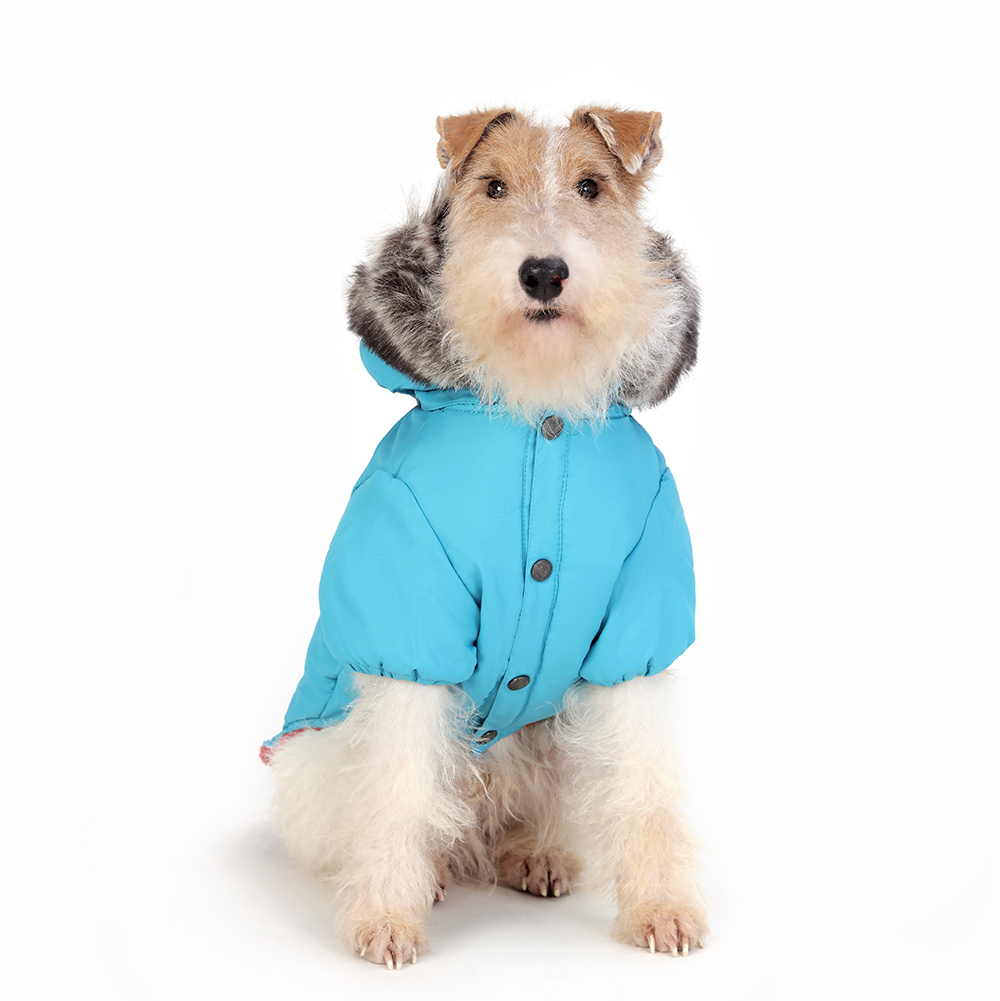
How a Winter Dog Coat Should Fit
Coverage From Neck to Tail Base
A good coat should cover the body from the base of the neck to the tail base. It does not need to be perfect, but it should provide full back coverage. Too short means less warmth, too long means movement issues. Proper coverage ensures the jacket works as insulation against winter weather.
Ensuring No Restriction Around Legs or Belly
Dogs need freedom to walk and relieve themselves. The coat should not block leg movement or belly space. Male dogs especially need proper cutouts. Comfort and practicality matter as much as warmth. Jackets should feel natural, not restrictive.
Checking for Pinching or Gaps
Run your hand under the coat at openings. You should feel a snug fit but no pinching. Gaps allow cold air inside, reducing warmth. Pinching causes discomfort. This simple check ensures the jacket fits properly.
The Quick “Wiggle Test” After Fitting
After putting the coat on, let your dog move. Watch if it shifts, slides, or rides up. A good coat stays in place while allowing free motion. This test helps confirm you chose the right size.
Choosing the Right Style: Jacket Style vs Blanket Style
Jacket Style Coats for Full Coverage
Jacket style coats cover more of the chest, belly, and sometimes thighs. They are ideal for short-haired dogs or extremely cold climates. They provide insulation and protection but may require more measurements. These coats are great for active outdoor dogs needing full warmth.
Blanket Style Coats for Easy Wear
Blanket style coats rest on the back and fasten with straps. They are easy to put on and take off, making them ideal for dogs who dislike complicated clothing. They provide decent warmth but less belly coverage. Owners often choose these for quick winter walks.
Which Pet Jacket Style Works Best for Active Dogs
Active dogs benefit from jacket styles with secure closures. Blanket coats may shift during running or hiking. If your dog loves outdoor adventures, choose a style that stays in place and offers waterproof protection. Adjustable straps improve fit for movement. Professional outdoor pet jackets, like those from Wan Talk, often combine weatherproof fabric with reflective safety features for active winter use.
Indoor vs Outdoor Lifestyle Considerations
Indoor dogs may only need light insulation, while outdoor dogs need heavier coats. Lifestyle should guide your decision. The right coat style matches your dog’s activity level and comfort needs.
Special Fit Tips for Different Dog Body Types
Long-Back Breeds Like Dachshunds
Dachshunds often need longer coats due to their body shape. Standard sizes may not work. Look for specialty designs that cover the full back without restricting legs. Proper fit prevents exposure to cold.
Wide-Chest Breeds Like Bulldogs and Pugs
Bulldogs have broad chests, so girth measurement is critical. Many brands offer “bulldog fit” options. Choosing the right size ensures comfort and prevents tightness.
Small Dogs That Need Extra Precision
Small dogs can easily be oversize or undersize. Precision matters because bulky coats may overwhelm them. Measure carefully and choose lightweight designs for comfort.
Large Dogs That Require More Mobility Room
Large dogs need coats that allow full stride. Extra room in the chest and shoulders supports movement. Durable materials are also important for bigger, active breeds.
Features to Look for in the Best Way to Size a Pet Jacket
Adjustable Straps and Velcro Closures
Adjustable features make coats more flexible. They help fine-tune fit and accommodate seasonal changes. Velcro closures are easy and secure for most dogs.
Waterproof and Windproof Materials
Winter coats should block wind and moisture. Waterproof outer layers keep dogs dry in snow or rain. Breathable lining prevents overheating indoors. Some outdoor brands, such as Wan Talk, use high-density composite fabrics that resist tearing while staying lightweight.
Reflective Details for Winter Safety
Reflective strips improve visibility during dark winter evenings. Safety is important when walking near roads or trails.
Leash and Harness Openings
Many owners use harnesses year-round. Jackets with leash openings prevent awkward layering. This feature adds convenience and comfort.
Buyer’s Checklist Before Ordering Dog Jackets Winter
Confirming Length, Girth, and Neck Measurements
Before ordering, double-check all measurements. Keep them written down for reference. This prevents mistakes and ensures the jacket fits properly.
Comparing Measurements With the Size Chart
Always compare numbers to the specific chart provided. Labels like small or large are not enough. Accurate comparison leads to better results.
Considering Seasonal Weight Changes
Dogs may gain weight in winter or lose weight in summer. Measuring each season ensures the coat remains comfortable. Adjust sizing if your dog changes shape.
Picking a Coat That Matches Style and Function
The best winter dog coat combines warmth, fit, and style. Choose one that matches your climate, your dog’s needs, and your lifestyle.
Below is a practical checklist table:
Checklist Item | Why It Matters |
Back length measured correctly | Ensures full coverage |
Chest girth allows movement | Prevents tightness |
Neck fit follows two-finger rule | Avoids choking |
Adjustable straps included | Improves flexibility |
Waterproof outer layer | Protects in snow/rain |
Note: A good coat is an investment in comfort, not just fashion.
Conclusion
Measuring your dog correctly improves warmth, comfort, and safety in winter. Focus on back length, chest girth, and neck size, and always follow a dog winter jacket size guide. The right style and fit help dogs move freely and stay cozy. Wan Talk offers durable winter jackets with reflective details and adjustable designs, giving pets reliable protection all season long.
Here is a final comparison table of coat styles:
Coat Style | Best For | Key Benefit |
Jacket Style | Active outdoor dogs | Full-body warmth |
Blanket Style | Quick daily walks | Easy to wear |
Adjustable Hybrid | Dogs between sizes | Flexible fit |
FAQ
Q: How to measure your dog for a winter jacket correctly?
A: Use back length, chest girth, and neck size for the best pet jacket fit.
Q: Why is a dog winter jacket size guide important?
A: Brands vary, so measurements prevent jackets being too tight or loose.
Q: What if my dog is between sizes in dog jackets winter?
A: Choose the larger size for comfort, layering, and better mobility.
Q: Jacket style vs blanket style pet jacket guide—what’s better?
A: Jacket style gives more coverage, while blanket style is easier to wear.


