Introduction
Winter weather brings a tough choice for many owners, and waterproof vs insulated dog jacket decisions can feel confusing. In this guide, we compare comfort, warmth, and dryness, helping you pick the best dog jackets winter option for your pet. Wan Talk offers quality pet jacket designs for active winter walks, so you can learn more about our products and find the right fit.
Understanding the Core Difference: Waterproof vs Insulated Dog Jacket
What Does a Waterproof Dog Jacket Actually Do?
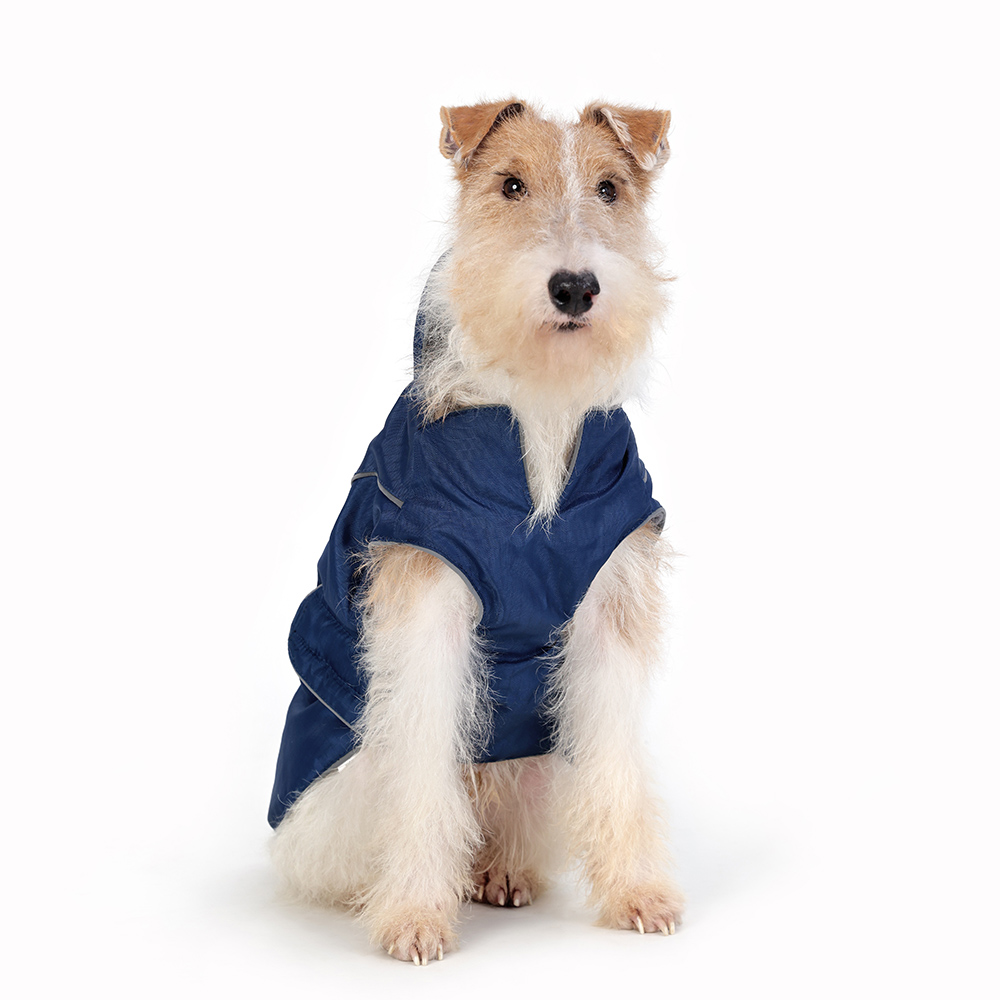
A waterproof dog jacket is designed mainly to repel water and prevent dampness from soaking into your dog’s fur. This matters because wet fur loses heat quickly, even if the weather is not extremely cold. When dogs come home soaked after a rainy walk, they often start shivering because moisture pulls warmth away from the body. Waterproof shells are usually made from coated polyester or nylon membranes that allow water droplets to bead and roll off. The best waterproof dog jacket for winter is especially useful in climates where rain, slush, or melting snow is common. However, waterproofing alone does not always provide insulation, so these jackets work best when dryness is the main goal rather than warmth. Understanding this function helps pet owners avoid assuming one coat can handle every winter condition. Many premium outdoor jackets, including Wan Talk’s functional pet jacket line, focus on durable waterproof fabric for harsh weather.
What Makes an Insulated Dog Jacket Warm?
An insulated dog jacket is built for heat retention rather than water resistance. These coats often use fleece, padded layers, or cotton blends that trap warm air close to your dog’s body. This creates an insulating barrier that helps prevent body heat loss during freezing temperatures. Insulated dog jackets for cold weather are ideal for short-haired breeds, small dogs, senior pets, or dogs that struggle to stay warm outdoors. Unlike waterproof shells, insulated coats tend to feel softer and more breathable, which makes them comfortable for dry winter days. The main risk is that insulation alone does not block rain well, so these coats can become heavy and cold if they absorb moisture.
Why This Comparison Matters for Dog Jackets Winter
The waterproof vs insulated dog jacket decision matters because winter is not the same everywhere. Some regions have cold dry air, while others have constant wet snow or rain. Dogs also have different needs based on coat type and activity level. Choosing the wrong jacket may lead to overheating, dampness, or restricted comfort. A dog jackets comparison waterproof insulated approach helps pet owners invest in the right gear instead of buying coats that do not match their climate. When you understand the difference, you can better protect your dog’s health and keep winter walks enjoyable.
When Waterproofing Wins: Rain, Snow, and Muddy Walks
Best Waterproof Dog Jacket for Winter in Wet Climates
If you live in a rainy or coastal climate, waterproof protection should often come first. Wet conditions can quickly chill dogs because moisture reduces their natural insulation. A waterproof pet jacket keeps rain and slush away from the fur, helping your dog stay dry and warmer overall. Dogs that love puddles, trail hikes, or muddy parks benefit greatly from waterproof shells because clean-up is easier and comfort lasts longer. Many waterproof coats also include windproof features, which add extra protection on stormy days. The best waterproof dog jacket for winter is not just about staying dry, but also about preventing cold stress that comes from damp fur during long outdoor exposure.
Waterproof Pet Jacket for Rainy Walks and Active Dogs
Active dogs often need durable coats because they run, jump, and play hard outdoors. A waterproof pet jacket is designed to handle rugged environments and resist tearing. These jackets work well for dogs that spend time in snowbanks or wet grass. They also reduce the need for frequent baths since mud can often be wiped off instead of fully washed. For working dogs, outdoor adventurers, or pets that refuse to avoid puddles, waterproofing becomes a practical necessity. The key benefit is that dryness supports warmth indirectly, keeping your dog comfortable even when winter weather is unpredictable. Brands like Wan Talk highlight outdoor-grade waterproof materials paired with ergonomic cuts for dogs that stay active.
Common Limitations of Waterproof Shells
While waterproof jackets offer strong moisture protection, they can sometimes reduce breathability. On dry days, dogs may overheat if the shell traps heat inside. Some waterproof fabrics also feel stiffer compared to fleece-lined coats, which may bother dogs that dislike restrictive clothing. That is why waterproof coats are best used in wet conditions rather than as a universal winter solution. Pet owners should consider layering or switching styles depending on the day’s forecast to ensure the jacket supports comfort instead of creating new problems.
When Insulation Matters Most: Cold, Dry Winter Days
Insulated Dog Jacket for Cold Weather Comfort
On dry winter days, insulation is often the top priority. Insulated dog jackets for cold weather help trap body heat and prevent shivering during freezing walks. This is especially important for dogs with thin coats, small bodies, or older age. Warm coats create a cozy barrier that makes dogs more willing to stay outside longer and remain active. Unlike waterproof shells, insulated jackets often feel softer and more comfortable, which helps dogs accept wearing them. When temperatures drop below freezing but rain is not a factor, insulation provides the best protection for maintaining steady warmth.
Why Warmth Can Be More Important Than Waterproofing
If your region has dry cold winters, waterproofing may not be necessary every day. In these cases, an insulated coat provides more value because it directly supports heat retention. A waterproof shell without lining might keep your dog dry but still leave them cold. Many owners discover that their dog needs warmth more than dryness, especially if they mostly walk on clear snowy days without rain. Understanding your dog’s sensitivity to cold helps you choose the right balance and avoid coats that fail to provide enough insulation.
Layering as a Practical Solution
For dogs that face both wet snow and freezing temperatures, layering can solve the waterproof vs insulated dog jacket dilemma. Some owners use an insulated base layer under a waterproof shell. This combination offers warmth plus dryness, which is useful in harsh climates. Layering also allows flexibility, since you can adjust clothing depending on weather conditions. While not every dog needs two coats, layering can be an effective strategy for extreme winter environments.
Tip: If your winters include both rain and freezing air, consider a hybrid jacket that combines waterproof fabric with insulated lining, like many professional outdoor pet jacket designs.
Dog Jacket Materials: What to Look For
Waterproof Fabrics and Membrane Technology
Waterproof dog jackets rely on coated polyester, laminated membranes, or treated nylon fabrics. These materials prevent water penetration and are often designed for durability during outdoor play. Waterproof membranes are common in rugged coats because they resist tearing and handle repeated exposure to mud and snow. These fabrics are ideal for dogs that spend time outdoors in wet climates. The tradeoff is that waterproof coatings may reduce airflow, so selecting a jacket with breathable design features is important for active dogs.
Insulated Fabrics: Fleece, Cotton Blends, and Padding
Insulated jackets use fabrics that trap heat, such as fleece or padded synthetic layers. Fleece is breathable and soft, making it great for comfort, but it absorbs water easily. Cotton blends also feel cozy but may dry slower. Padded insulation is often best for freezing temperatures because it holds warmth efficiently. When choosing an insulated dog jacket, pet owners should look for lightweight warmth that does not restrict movement. Comfort is key because dogs will resist coats that feel bulky or heavy.
Dog Jacket Materials and Breathability Tradeoffs
Material choice determines whether a jacket works well in specific winter conditions. Waterproof fabrics protect against moisture but may trap heat. Insulated fabrics provide warmth but fail in rain. This tradeoff is why understanding your local climate matters so much. Pet owners should evaluate whether their dog needs dryness, warmth, or a balance of both. Choosing the right materials ensures the jacket performs as intended and keeps your dog comfortable throughout winter.
Quick Comparison: Waterproof vs Insulated Dog Jackets
Feature | Waterproof Dog Jacket | Insulated Dog Jacket |
Primary Purpose | Keeps dog dry | Keeps dog warm |
Best Weather | Rain, snow, mud | Cold, dry winter |
Material | Coated polyester, nylon | Fleece, padded layers |
Breathability | Moderate to low | High |
Cleaning | Easy wipe-down | Often machine wash |
Ideal For | Active outdoor dogs | Small or short-haired dogs |
How to Choose a Dog Jacket for Winter Based on Your Pet
Consider Your Dog’s Breed and Coat Type
Dogs with thick fur may not need heavy insulation, but they often benefit from waterproof protection in wet snow. Short-haired breeds, on the other hand, lose heat quickly and need insulated coats even in mild cold. Breed characteristics matter because they affect how fast a dog becomes chilled. Small dogs also lose warmth faster than larger breeds, so insulation is often essential. Understanding your dog’s natural coat helps you choose the right dog jackets winter option instead of relying on fashion trends.
Activity Level and Outdoor Exposure
A dog’s lifestyle plays a big role in jacket selection. Active dogs that hike or run outdoors may need durable waterproof shells to handle rough conditions. Indoor dogs that only take short neighborhood walks may only require light insulation. Matching jacket design to activity prevents discomfort and ensures your dog stays protected. For dogs that play hard in snow or mud, waterproof durability often becomes a top factor.
Climate and Seasonal Conditions
The simplest question is whether your winter is mostly wet or mostly dry. Wet winters demand waterproof protection, while dry winters require insulation. Many climates include both, so flexibility matters. Pet owners should think about daily weather patterns rather than assuming one coat works for the entire season. The right jacket choice depends on where you live and what conditions your dog faces most often.
Note: Always check whether your dog is shivering or avoiding walks, since behavior is often the best sign they need better protection.
Troubleshooting Common Dog Jacket Buying Mistakes
Myth: Waterproof Means Warm
One of the most common mistakes is believing waterproof coats automatically provide insulation. Many waterproof jackets are thin shells designed only for moisture protection. Dogs may stay dry but still feel cold. Owners should check whether the coat includes lining or insulation before assuming it works in freezing temperatures.
Myth: Warm Coats Work in Rain
Warm fleece coats absorb water quickly, which makes them heavy and cold in wet conditions. They are excellent for dry cold weather but fail during rain or slush. This myth leads many owners to buy warm coats that do not match their climate needs.
Fit Issues Can Reduce Performance
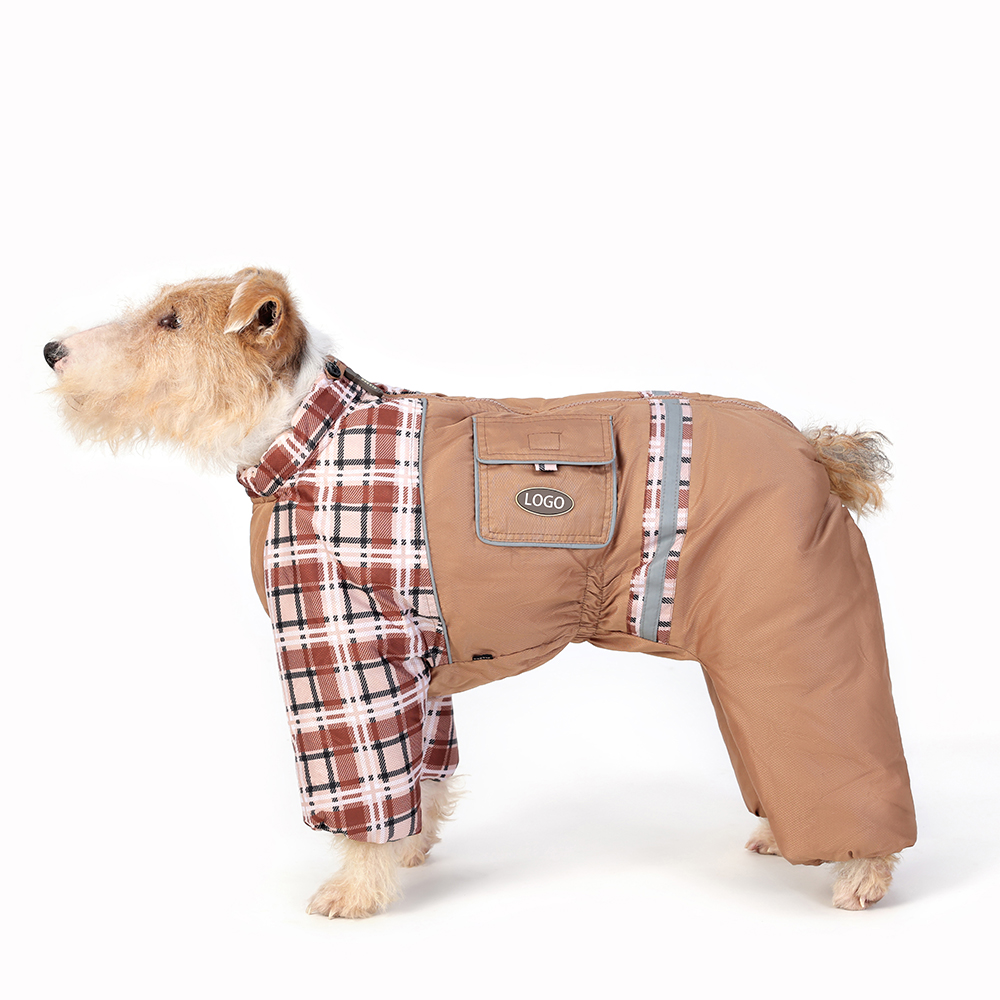
Even the best waterproof or insulated jacket fails if it does not fit correctly. A loose coat allows cold air inside, while a tight coat restricts movement and reduces comfort. Always measure your dog’s chest girth, back length, and neck size before buying. Proper sizing ensures the coat works as intended and keeps your dog happy outdoors. Some outdoor brands such as Wan Talk also include adjustable buckles to improve fit across different dog body types.
Conclusion
Choosing waterproof vs insulated dog jacket depends on climate and lifestyle. Waterproof coats keep dogs dry in rain or snow, while insulated jackets provide warmth in freezing air. The right pet jacket improves comfort and safety all winter. Wan Talk offers durable outdoor designs with reflective details and ergonomic fit, adding extra value for active dogs.
Winter Condition | Best Choice | Key Benefit |
Rainy or wet snow | Waterproof pet jacket | Keeps dog dry |
Freezing dry air | Insulated dog jacket | Retains warmth |
Mixed harsh weather | Hybrid or layered system | Warmth + protection |
FAQ
Q: What is the difference in a waterproof vs insulated dog jacket?
A: A waterproof dog jacket keeps dogs dry, while insulated coats add warmth.
Q: How to choose a dog jacket for winter weather?
A: Match waterproof pet jacket use for rain, insulated dog jacket for cold weather.
Q: Why are dog jackets winter important for some breeds?
A: Small or short-haired dogs lose heat faster, so the right jacket helps.
Q: Are waterproof dog jackets warm enough in freezing temps?
A: Some are shells only, so layering or insulated lining may be needed.


