Ever wondered if pet clothes truly enhance comfort for your furry friends? Dressing pets in the right attire is crucial for their comfort and well-being. In this post, you'll learn about the importance of choosing the right pet clothes and explore various options for dogs and cats.
Understanding Pet Clothes
Types of Pet Clothes Available
Pet clothes come in many styles and purposes. Common types include:
● Sweaters and hoodies: Keep pets warm, especially in cold weather.
● Raincoats: Protect pets from rain and wet conditions.
● Booties: Shield paws from rough surfaces, snow, or hot pavement.
● Surgical vests: Help protect wounds or stitches.
● Costumes: Used for fun or special occasions.
● High-visibility jackets: Improve safety by making pets more visible outdoors.
Each type serves a different function, and choosing the right one depends on your pet’s needs and environment.
Benefits of Pet Clothing
Pet clothes offer several advantages beyond just looking cute:
● Temperature regulation: Clothes like sweaters and coats help keep pets warm in winter or cool in summer.
● Protection: Raincoats and booties shield pets from harsh weather and rough terrain.
● Health support: Surgical vests prevent pets from licking wounds, aiding recovery.
● Safety: Reflective gear improves visibility during walks in low light.
● Comfort: Soft fabrics can soothe pets with sensitive skin.
● Behavioral: Some pets feel more secure wearing snug clothing.
These benefits make pet clothing practical and supportive, not just decorative.
Common Misconceptions About Pet Clothes
Many people misunderstand pet clothing. Here are some myths debunked:
● Myth 1: Pets don’t need clothes. While some pets manage fine without, others with thin fur or health issues benefit greatly.
● Myth 2: All pet clothes are uncomfortable. Properly designed clothes fit well and use soft materials that pets tolerate.
● Myth 3: Clothes restrict pet movement. Good-fitting clothes allow full mobility and don’t interfere with natural behaviors.
● Myth 4: Pets always dislike wearing clothes. Many pets get used to clothing, especially when introduced gradually.
● Myth 5: Clothes are only for fashion. Many pet clothes serve important health and safety roles.
Understanding these facts helps pet owners make informed choices that prioritize their pet's comfort and well-being.
Choosing the Right Fit for Your Pet
Importance of Proper Fit in Pet Clothes
Getting the right fit is crucial when dressing your pet. Clothes that are too tight can restrict movement, cause skin irritation, or even cut off circulation. On the other hand, clothes that are too loose may slip off or cause tripping hazards. Properly fitting clothes let your pet move naturally, breathe easily, and stay comfortable.
A well-fitted outfit allows your pet to:
● Walk, run, and jump without restrictions
● Sit, lie down, and get up easily
● Eat, drink, and go potty without difficulty
● Breathe comfortably without pressure around the neck or chest
Remember, comfort is key. If your pet struggles or resists wearing clothes, the fit might be the problem.
How to Measure Your Pet for Clothing
Measuring your pet correctly helps you pick clothes that fit well. The main measurements to take are:
● Neck circumference: Measure around the base of the neck where a collar would sit.
● Chest girth: Measure the widest part of your pet’s chest, usually just behind the front legs.
● Back length: Measure from the base of the neck (where the collar sits) to the base of the tail.
Use a soft measuring tape and keep it snug but not tight. Record the measurements and compare them to the sizing charts provided by the clothing brand. If your pet is between sizes, it’s usually best to size up for comfort.
Signs of Discomfort in Pet Clothing
Pets can’t tell us directly when clothes bother them, so watch for these signs:
● Trying to bite, scratch, or paw at the clothing
● Constant shaking or wriggling to remove the outfit
● Limping or awkward walking
● Excessive licking or chewing on covered areas
● Panting, whining, or showing signs of stress
● Refusing to move or hiding
If you notice these behaviors, remove the clothing immediately. Check the fit and fabric, and try clothes with a better fit or softer material.
Selecting the Best Fabric for Pet Clothes
Breathable Fabrics for Pet Comfort
Choosing breathable fabrics is essential to keep pets comfortable, especially during warmer months or indoor use. Natural fibers like cotton and bamboo fabric allow air to circulate, preventing overheating and skin irritation. These materials feel soft and gentle against your pet's fur and skin, reducing the risk of rashes or discomfort. Lightweight cotton shirts or bamboo blends work great for everyday wear, keeping pets cool and happy.
Durable Materials for Active Pets
Active pets need clothes made from tough, durable fabrics that can handle running, jumping, and playing. Polyester blends and fleece are popular choices because they resist tearing and hold up well after many washes. Fleece also offers warmth without heavy weight, perfect for pets who love outdoor adventures in cooler weather. Look for fabrics with some stretch, like spandex blends, to provide flexibility and freedom of movement. Durable stitching and quality craftsmanship ensure clothes last longer and stay comfortable.
Weather-Appropriate Fabric Choices
Different weather conditions call for specific fabric types to protect and comfort pets. In winter, cozy fleece, wool, or quilted polyester provide insulation and warmth. Wool offers natural heat retention but can be itchy for some pets, so fleece-lined options might be better for sensitive skin. For rainy days, water-resistant fabrics like coated polyester or nylon keep pets dry and comfortable. These materials repel moisture while allowing breathability to avoid overheating.
In summer, lightweight and breathable fabrics like cotton and bamboo help regulate body temperature and wick away sweat. Avoid heavy, non-breathable fabrics during hot weather to prevent heat stress. Matching fabric choice to the season helps maintain your pet’s comfort and health year-round.
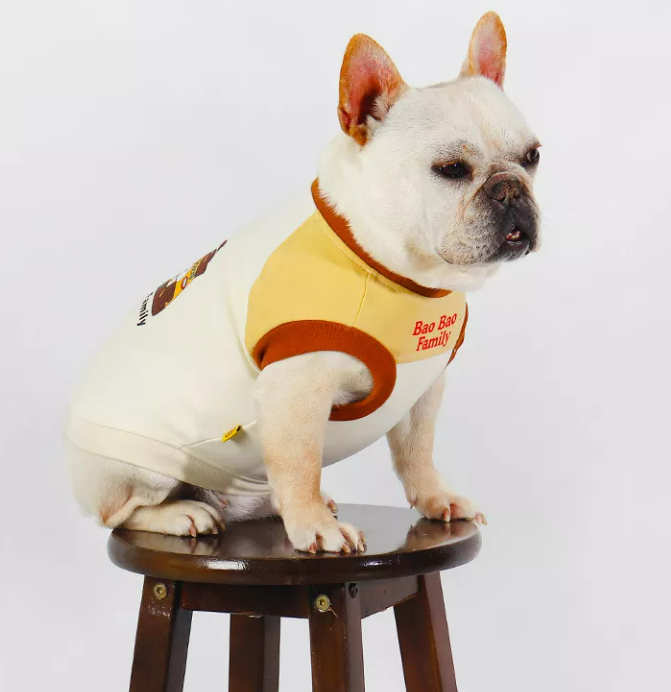
Dressing Pets for Different Weather Conditions
Winter Clothing Options for Pets
When temperatures drop, pets especially those with short or thin fur, need extra warmth. Winter clothes like insulated jackets, fleece-lined sweaters, and thermal vests help keep pets cozy. Look for materials like fleece or quilted polyester that trap heat but remain lightweight. Some jackets come with windproof and water-resistant layers, offering extra protection against cold winds and snow. Don’t forget about paw protection — booties with soft linings shield paws from ice, salt, and freezing surfaces. Always ensure clothes fit well and don’t restrict movement. Layering thin pieces can also help regulate warmth without overheating.
Summer Clothing Options for Pets
In hot weather, keeping pets cool is just as important. Lightweight, breathable fabrics such as cotton and bamboo allow air to circulate, preventing overheating. Clothes designed for summer often include mesh panels or moisture-wicking properties to help pets stay dry and comfortable. Cooling vests soaked in water can provide temporary relief during outdoor activities. Avoid dark colors that absorb heat and heavy materials that trap warmth. Remember, many pets naturally regulate temperature through panting and their fur, so summer clothes should never block airflow or cause excess heat.
Rainy Day Clothing for Pets
Rainy days call for water-resistant gear to keep pets dry and comfortable. Raincoats made from coated polyester or nylon repel water but still allow breathability. Look for coats with adjustable closures and openings for harnesses or leashes. Waterproof booties protect paws from mud and puddles, reducing the risk of infections or irritation. Avoid heavy rain gear that traps moisture inside. Instead, choose lightweight, quick-drying options that your pet can wear without feeling weighed down. After walks, dry your pet thoroughly to prevent chills or skin issues.
Introducing Clothing to Your Pet
Gradual Introduction to Pet Clothing
Introducing clothes to your pet should be a slow process. Start by letting your pet sniff and explore the clothing before trying to put it on. Then, dress your pet for just a few minutes at first. Gradually increase the time as your pet gets more comfortable.
Use positive reinforcement like treats or praise to create a good association. If your pet resists, don’t force it. Take a break and try again later. The goal is to make wearing clothes a normal, stress-free experience.
Monitoring Pet's Reaction to Clothing
Watch your pet closely when they wear clothes. Look for signs of discomfort or stress such as:
● Pawing or scratching at the clothes
● Attempting to remove the outfit
● Shaking or restless behavior
● Limping or awkward movement
● Excessive panting or whining
● Hiding or refusing to move
If you notice any of these, remove the clothing immediately. Check the fit and fabric to find what might be causing the problem. Sometimes, switching to softer materials or a different style helps.
Adjusting Clothing Based on Pet's Comfort
Comfort is key when dressing pets. Adjust clothes to fit well but not too tight. Make sure your pet can move, breathe, eat, drink, and go potty easily. If your pet seems uneasy, try loosening straps or choosing a different size.
Be patient. Some pets take longer to accept clothes. For others, certain types like sweaters or vests may be more comfortable than full-body outfits. Always prioritize your pet’s comfort over style.
Special Considerations for Cats
Why Cats May Resist Clothing
Cats often resist wearing clothes because they are naturally independent and sensitive creatures. Their fur already provides insulation, so clothes can feel unnecessary or restrictive. Unlike dogs, cats rely heavily on their agility and flexibility, and clothing may interfere with their natural movements. Cats also use grooming to regulate their body temperature and comfort, and clothes can hinder this behavior. Additionally, unfamiliar textures or tight fits can cause stress or anxiety in cats, leading them to scratch or try to remove the clothing.
Alternatives to Clothing for Cats
If your cat dislikes wearing clothes, consider alternatives to keep them comfortable and safe:
● Breakaway Collars: Seasonal-themed collars offer a festive touch without restricting movement. They are designed to release if caught on something, ensuring safety.
● Soft Blankets or Beds: Providing cozy resting spots can keep cats warm without the need for clothes.
● Heated Pads: Specially designed heated mats can offer warmth during colder months.
● Indoor Temperature Control: Maintaining a comfortable home temperature helps cats stay cozy naturally.
These options respect a cat's preference for freedom while addressing comfort and safety.
Ensuring Safety and Comfort for Cats
If you choose to dress your cat, prioritize safety and comfort by following these guidelines:
● Choose Soft, Lightweight Fabrics: Use breathable materials like cotton to avoid overheating and skin irritation.
● Ensure Proper Fit: Clothes should be loose enough for easy movement but not so loose they cause tripping.
● Limit Wearing Time: Keep clothing on for short periods to prevent stress or discomfort.
● Monitor Behavior: Watch for signs of distress such as excessive grooming, scratching, hiding, or restlessness.
● Avoid Obstructions: Make sure clothing doesn’t cover the face, ears, or tail, and avoid items with small parts that can be chewed off.
Always prioritize your cat’s well-being over aesthetics. If your cat shows persistent distress, remove the clothing immediately.
Conclusion
Pet clothing offers practical benefits such as temperature regulation, protection, and safety, making it more than just a fashion statement. Ensuring a proper fit and selecting breathable, durable fabrics are crucial for pet comfort. Introducing clothing gradually and monitoring pet reactions can help ease them into wearing clothes. Wan Talk provides quality pet clothing that prioritizes comfort and safety, ensuring your pet's well-being while looking stylish. Choose comfortable clothing to enhance your pet's happiness and health.
FAQ
Q: What are the benefits of pet clothes for dogs and cats?
A: Pet clothes, including dog clothes and cat clothes, offer benefits like temperature regulation, protection from weather, health support, and enhanced safety.
Q: How can I ensure a proper fit for my pet's clothes?
A: Measure your pet's neck, chest, and back length, and compare with the brand's sizing chart for dog clothes and cat clothes.
Q: Why might my cat resist wearing clothes?
A: Cats may resist pet clothes due to natural independence, sensitivity, and a preference for unrestricted movement.


