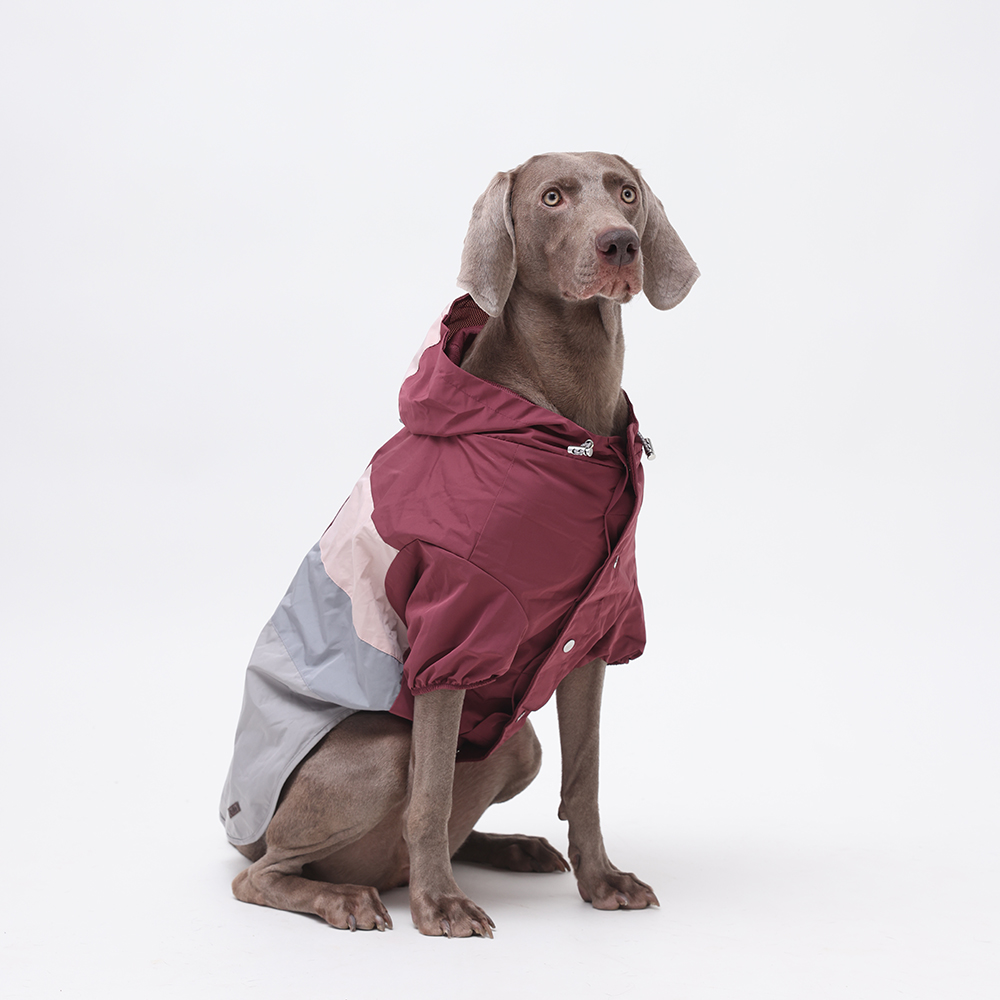
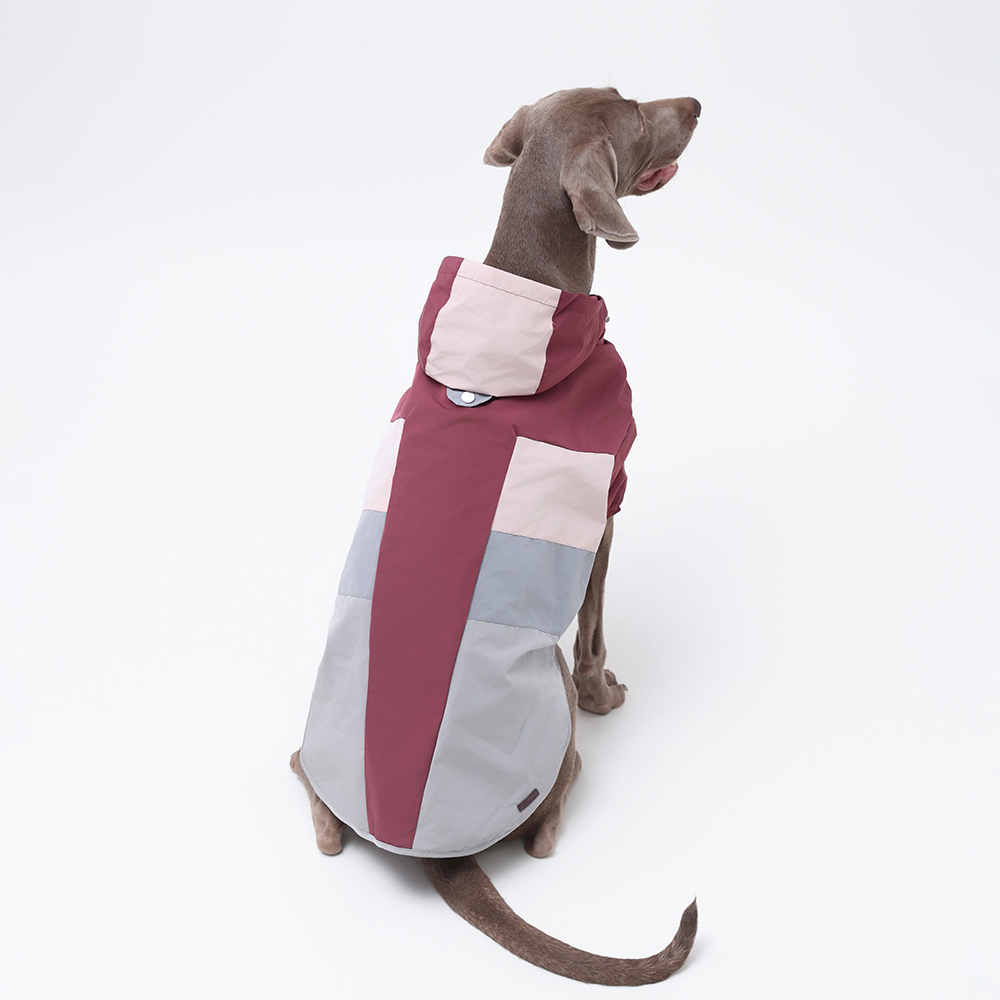
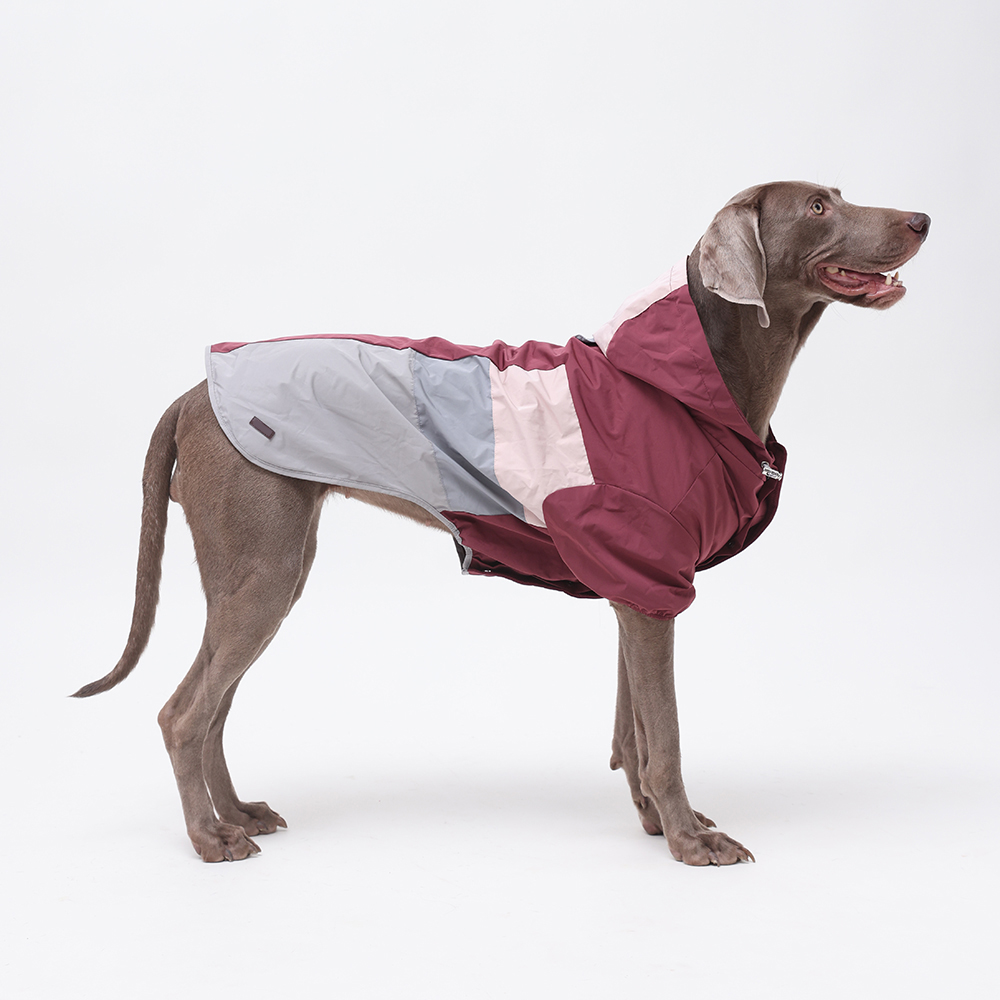
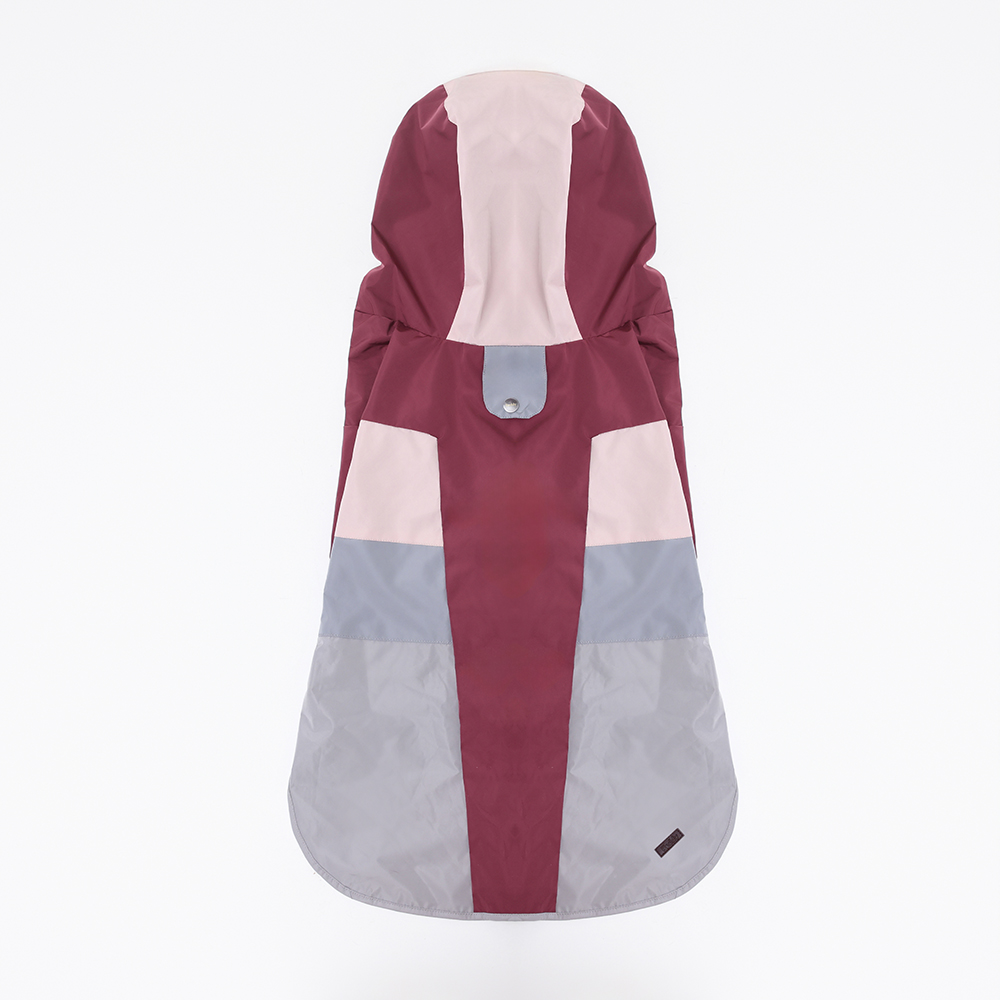
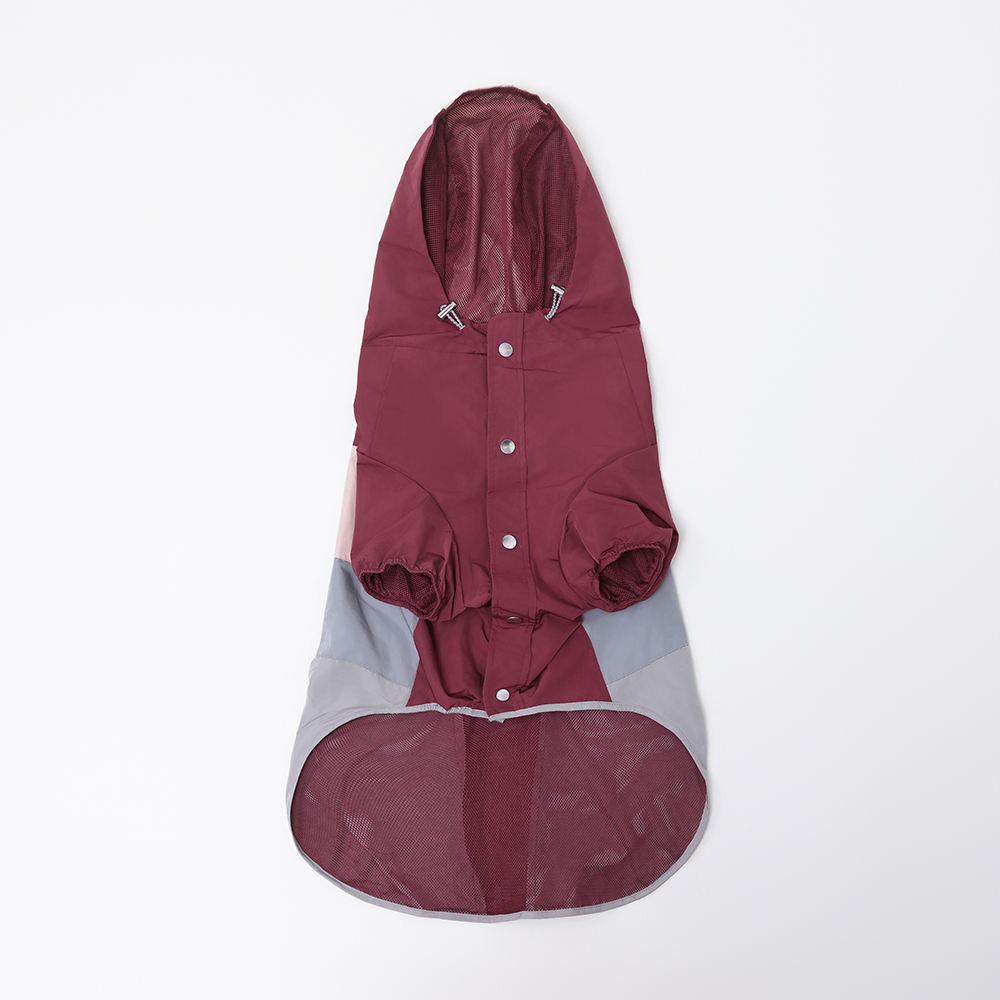
This waterproof and windproof hooded dog raincoat uses a poncho-style shape to provide wet-weather body coverage for large dogs. Final performance depends on the selected fabric, seams, closures, hood, and openings. WANTALK supports OEM and ODM development, custom size grading, colors, branding, packaging, sampling, and bulk production for pet brands, retailers, and distributors.
Product Description
We are a designated supplier for many brands. In order to develop more business with new and existing customers, we have established our own new pet Design sourcing and design department. We also have our own brands "Wan talk" and "Meow talk". 16 years of production and export experience. Maintain the habit of manual quality inspection to ensure the quality of goods. Own designers, can provide customers with satisfactory design services, 7-10 days for samples, 15-30 days for large goods, rapid response.
Description
Product Overview
This waterproof and windproof hooded dog raincoat uses a poncho-style shape to provide wet-weather coverage for large dogs. It is intended for rainy walks, windy conditions, outdoor travel, and other situations where the dog’s back and sides require protection from direct exposure.
The finished performance of a dog raincoat depends on the complete construction rather than the fabric name alone. The selected shell material, coating or membrane, seams, closures, hood opening, leash access, and overall fit must therefore be defined in the approved product specification.
WANTALK supports custom materials, colors, size grading, branding, packaging, and structural details for pet brands, retailers, distributors, and private-label projects.
Poncho-Style Coverage
Back and Side Protection
The poncho silhouette places the main protective panel over the dog’s back, shoulders, and sides. This broad shape can help reduce direct contact with rain, wind, mud, and road splash while allowing the legs to move independently of the main shell.
The exact coverage depends on the pattern. Back length, side depth, tail clearance, and front opening should be adjusted for the intended breed group and size range.
Belly and Splash Zones
A deeper side panel or additional belly section can be developed when greater splash protection is required. This is useful for dogs with a low body position or long belly hair.
More coverage is not always better. The pattern must still leave space for walking, sitting, toileting, and natural body movement.
Waterproof Construction
Fabric Selection
The raincoat can be developed around a suitable coated, laminated, or otherwise weather-resistant textile selected for the project. Material decisions should consider:
Required waterproof performance
Fabric weight and flexibility
Surface durability
Noise during movement
Cleaning requirements
Color and print compatibility
Intended climate
Target retail price
A waterproof claim should be supported by the approved material specification and, where required, applicable test results.
Seams and Openings
Water can enter through seams, closures, hood openings, and leash or harness access points even when the main fabric resists water.
Projects requiring stronger rain protection should define whether seam sealing, covered closures, protective flaps, or reinforced openings are needed. These construction details should be confirmed during sampling rather than assumed from the outer fabric alone.
Intended Exposure
The coat is designed for normal wet-weather use. Actual protection will vary with rainfall intensity, wind direction, exposure time, garment fit, and the approved construction.
It should not be presented as suitable for immersion or as providing unlimited protection in every weather condition.
Wind Protection
The outer shell and poncho coverage can help limit direct wind exposure across the dog’s back and sides. Actual wind resistance depends on the air permeability of the selected material and the size of the openings around the neck, chest, belly, and tail.
A closer fit may reduce wind entry but must not restrict breathing or movement. A looser design can improve ventilation but may lift or shift in stronger wind.
If the raincoat will be sold for active dogs or warmer climates, airflow and heat release should be considered during material and pattern development.
Hood Design
The hood extends weather coverage around the head and upper neck. Its depth, opening, attachment, and adjustment method should be matched to the intended dog sizes.
During fitting, the hood should be checked to ensure that it does not:
Cover the dog’s eyes
Press against the ears
Restrict head movement
Tighten around the throat
Interfere with breathing
Create unsafe loose cords or components
Fixed, removable, fold-back, and visor-style hood structures may be evaluated as custom options. The selected design should be tested on representative dogs before bulk production.
Large-Dog Sizing
Large dogs vary considerably in chest depth, neck shape, back length, and overall build. Breed name or body weight alone is not sufficient for reliable sizing.
Required Measurements
Use a flexible measuring tape and record:
Back Length: Measure from the base of the neck to the base of the tail.
Chest Girth: Measure around the widest part of the rib cage.
Neck Girth: Measure around the lower neck where the garment will sit.
Belly Length: Check the available underside coverage without interfering with toileting.
Shoulder Width: Review when developing patterns for broad-chested dogs.
The dog should stand naturally while being measured. Do not pull the tape tightly against the coat or skin.
Size-Chart Development
Each size should have a defined measurement range and finished-garment dimensions. The chart should state whether measurements refer to the dog’s body or the garment itself.
For wholesale projects, size grading should be based on the intended market and representative dog measurements rather than simply enlarging every pattern point by the same percentage.
Fit and Mobility
A correctly fitted raincoat should remain stable without restricting the shoulders, front legs, neck, abdomen, or tail.
Check the sample while the dog is:
Standing
Walking
Turning
Sitting
Lowering its head
Climbing a step
Wearing the intended collar or harness
Inspect the neck edge, chest, front-leg area, belly straps, and closures for rubbing or pressure. The coat should not twist excessively, drag on the ground, or extend into the toileting area.
Introduce unfamiliar clothing gradually. Short fitting sessions can help the dog become comfortable before the coat is used for a longer walk.
Wet-Weather Applications
Application
Design Consideration
Daily rainy walks
Easy dressing, practical coverage and simple cleaning
Windy outdoor conditions
Stable fit and controlled openings
Muddy paths
Side depth, belly coverage and washable surfaces
Car and travel use
Low bulk and convenient storage
Cool-weather rain
Space for suitable layering when required
Low-light walking
Optional reflective trim or high-visibility colors
Long-haired dogs
Smooth internal surfaces and reduced snagging points
The raincoat is a weather shell rather than a substitute for supervision. Remove it if the dog shows signs of discomfort, restricted movement, or overheating.
Custom Dog Raincoat Options
WANTALK can develop the raincoat around an approved design brief and target market. Available options may include:
Materials and Construction
Coated or laminated shell fabrics
Lightweight or more structured materials
Lined or unlined construction
Seam-sealing requirements
Reinforced stress points
Alternative edge finishes
Fit and Closures
Custom size ranges
Breed-group pattern development
Adjustable chest or belly sections
Hook-and-loop, buckle, snap, or zipper closures
Leg loops or stabilizing structures
Fixed, removable, or fold-back hoods
Walking Features
Collar-leash opening
Harness-access opening
Covered access flap
Reflective piping, strips, or printed elements
High-visibility color combinations
Transparent hood visor concepts
Branding and Packaging
Woven labels
Printed logos
Rubber or silicone badges
Custom colors and prints
Hangtags and care labels
Retail bags, boxes, or other private-label packaging
All options remain subject to material availability, construction feasibility, sampling, testing requirements, and order quantity.
OEM and ODM Process
1. Submit the Product Brief
Provide reference images, target sizes, preferred fabric, weather-performance requirements, closure type, logo, packaging, target price, and estimated quantity.
2. Review Materials and Construction
The product team reviews available fabrics, trims, sewing methods, pattern requirements, and branding processes.
3. Develop the Pattern
The pattern is prepared or adjusted using the approved dog measurements, coverage requirements, and size range.
4. Produce a Sample
A sample is made for visual, dimensional, and functional review. A typical sample timetable depends on material availability and design complexity.
5. Conduct a Fitting Review
Check coverage, movement, hood position, closure security, harness compatibility, and appearance on representative dogs.
6. Confirm the Specification
Approve the material, color, dimensions, logo position, labeling, packaging, workmanship requirements, and inspection criteria.
7. Begin Bulk Production
Production follows the approved sample and specification after order details and materials are confirmed.
8. Inspect and Pack
Finished products are checked according to the agreed inspection plan before packing and shipment.
Quality Control
Quality requirements should be established before production so that the same standards can be applied to the sample and bulk order.
Inspection points may include:
Fabric identity, color and surface condition
Finished garment measurements
Size-label accuracy
Seam appearance and stitch consistency
Closure placement and operation
Hood alignment
Strap and attachment strength
Leash or harness opening position
Logo position and appearance
Sharp-point and loose-component checks
Packaging and carton information
When waterproof performance is part of the purchase specification, the required material or finished-product test method and acceptance level should be agreed before production.
Factory audit and management-system documents can be supplied for review according to their current scope and validity. They should not be interpreted as automatic certification of every product configuration.
Product Information
Item
Description
Product Type
Dog raincoat
Style
Hooded poncho
Target Fit
Large dogs
Weather Function
Waterproof and wind-resistant coverage according to approved construction
Main Coverage
Back, shoulders and sides
Material
Selected according to the approved order specification
Size Range
Standard or custom grading subject to confirmation
Colors
Selected from available or custom options
Closure
Defined during product development
Walking Compatibility
Collar or harness access can be evaluated
Branding
Custom labels, prints, badges and packaging
Business Service
OEM, ODM and private-label production
Intended Use
Rainy walks, outdoor travel and wet-weather dog wear
Ordering Requirements
For an accurate quotation and sample proposal, provide:
Target dog sizes and body measurements
Required back and side coverage
Preferred material or reference sample
Waterproof or water-resistance requirement
Hood structure
Closure type
Collar or harness arrangement
Reflective or visibility requirements
Logo artwork
Color references
Packaging requirements
Estimated order quantity
Destination market
Requested testing or compliance documents
A physical reference sample can be useful when the fit, material feel, or construction cannot be communicated clearly through images.
Care and Storage
Always follow the care instructions approved for the selected fabric and trims.
General precautions include:
Close straps and fasteners before washing
Remove loose dirt before cleaning
Use a mild cleaning method
Avoid bleach unless specifically permitted
Avoid high heat unless approved for the material
Air-dry the coat completely before storage
Store it away from direct heat and prolonged sunlight
Inspect closures, seams and straps regularly
Aggressive washing, high temperatures, abrasion, and unsuitable chemicals may reduce the performance of a coated or laminated material.
Manufacturing Support
WANTALK supports pet-apparel projects from initial product development through sampling and bulk production. Services include:
OEM development from customer designs
ODM support from the product-development team
Pattern and size-range development
Fabric and trim sourcing
Logo and label application
Custom retail packaging
Sample preparation
Bulk production
Quality inspection
Export-order coordination
Current factory, audit, test, and company documents can be requested during supplier evaluation.
Frequently Asked Questions
Does every large dog wear the same raincoat size?
No. Dogs with similar weights can have very different chest depths, back lengths, neck sizes, and shoulder shapes. Actual body measurements should be compared with the product size chart.
Is a waterproof dog raincoat suitable for immersion?
No. A dog raincoat is intended for rain and surface exposure. It is not designed as underwater equipment, and water can enter through openings and garment edges.
Does wind protection mean the raincoat is insulated?
Not necessarily. A wind-resistant shell may reduce direct air exposure without providing substantial thermal insulation. A lining or suitable layering system is required when additional warmth is needed.
Can the raincoat be worn over a harness?
It depends on the pattern and harness position. A dedicated harness opening or sufficient internal space can be added during product development.
Can the hood be removed?
A removable hood can be developed as a custom option. The connection method, finished appearance, water entry points, and small-component safety should be evaluated during sampling.
Can reflective elements be added?
Yes. Reflective piping, tape, printing, or panels can be considered. Their position and performance should be confirmed against the target visibility requirement.
Can the raincoat be used in snow?
It can provide outer-shell protection in wet or windy conditions, but it may not provide enough insulation for cold weather. Temperature, exposure time, activity level, breed, coat type, and lining must be considered.
How can a dog become comfortable wearing a raincoat?
Introduce the coat indoors for short periods, reward calm behavior, and check that it does not restrict movement. Increase wearing time gradually before using it outdoors.
Can the logo be applied without affecting waterproof performance?
Branding methods can influence the shell. Printed, sewn, welded, or attached logos should be selected according to the fabric and required water resistance. Any stitched application should be reviewed as a possible water-entry point.
Can custom packaging include a fitting guide?
Yes. Size charts, measuring diagrams, care instructions, product information, and fitting guidance can be added to custom hangtags, inserts, bags, or retail boxes.
Is a pre-production sample recommended?
Yes. A confirmed sample establishes the approved material, color, dimensions, fit, construction, branding, and packaging before bulk production begins.
What information is needed for a quotation?
Provide the design, size range, material requirements, waterproof expectation, closures, hood type, accessories, logo, packaging, quantity, destination, and requested test standards.
OEM & ODM Dog Rainwear
Create a Large-Dog Raincoat for Your Market
Send us your target dog measurements, preferred fabric, waterproof requirement, hood and closure design, walking-access needs, branding, packaging, and estimated quantity. Our team will review the details and prepare a suitable development proposal.