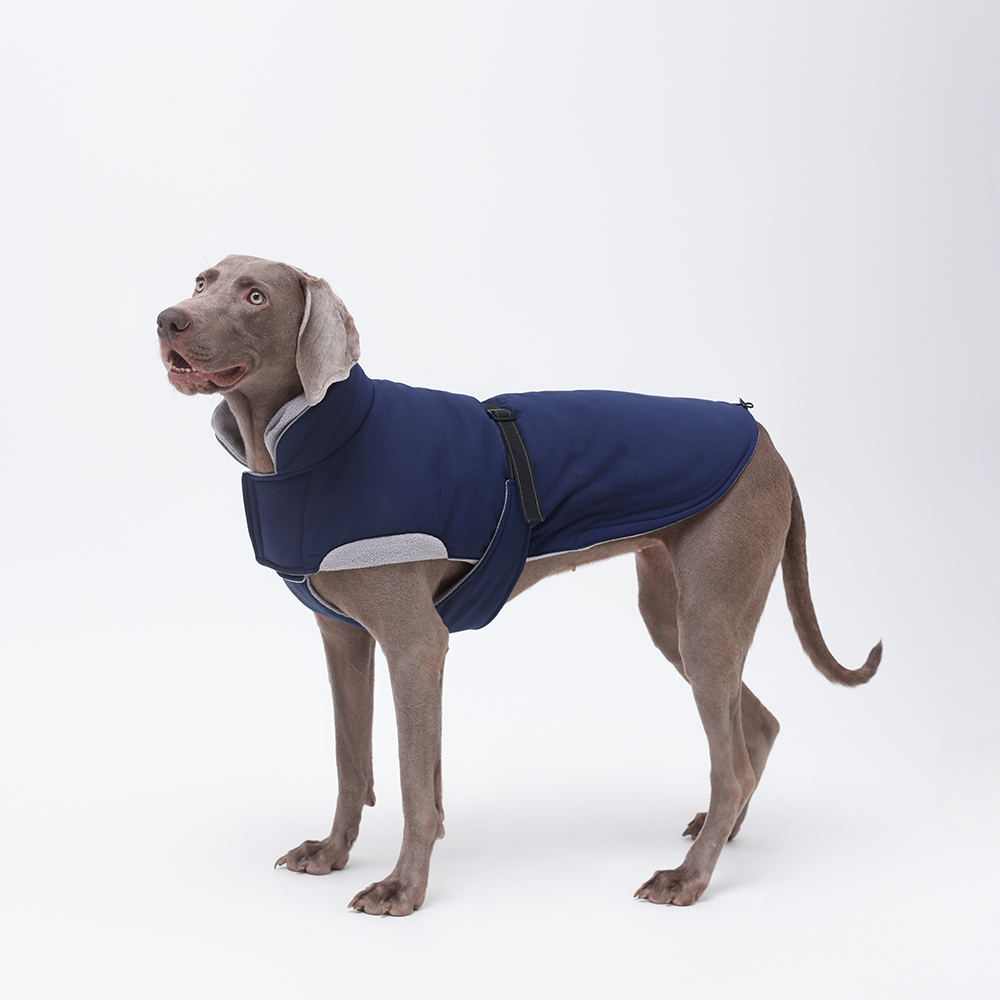
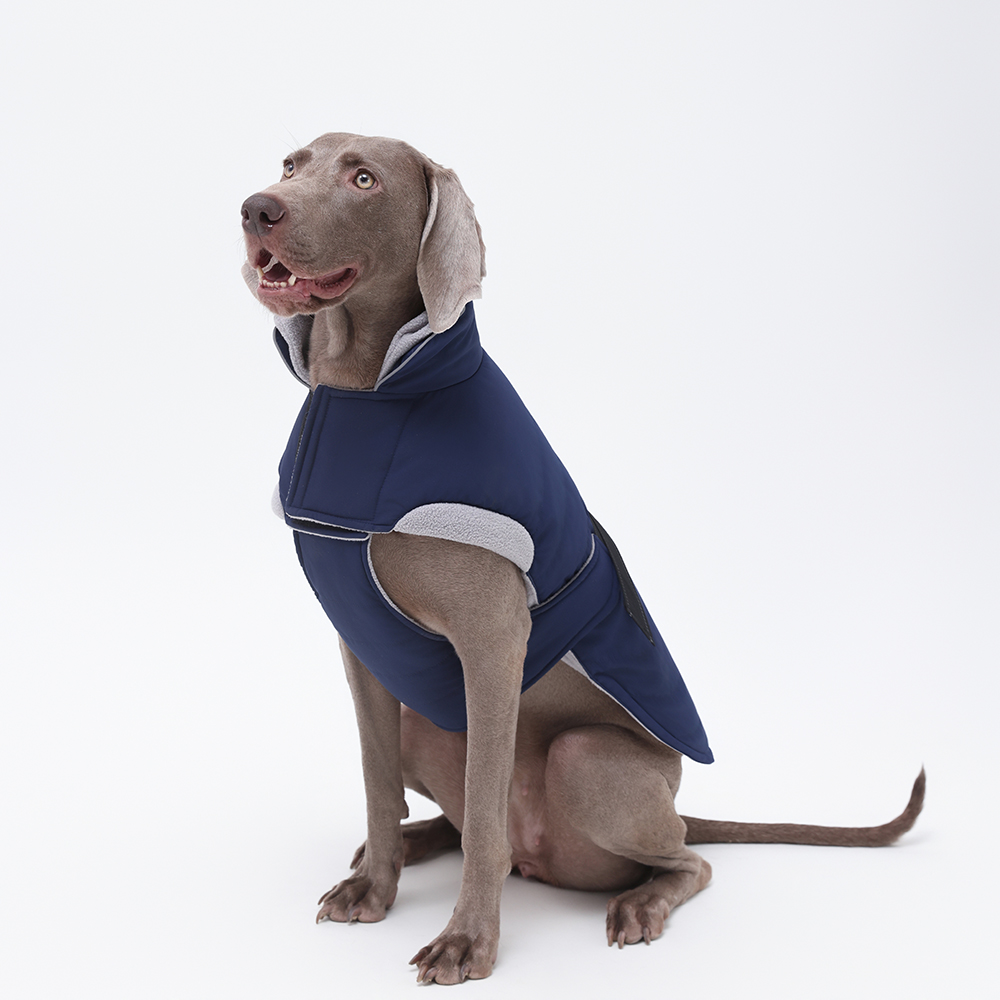
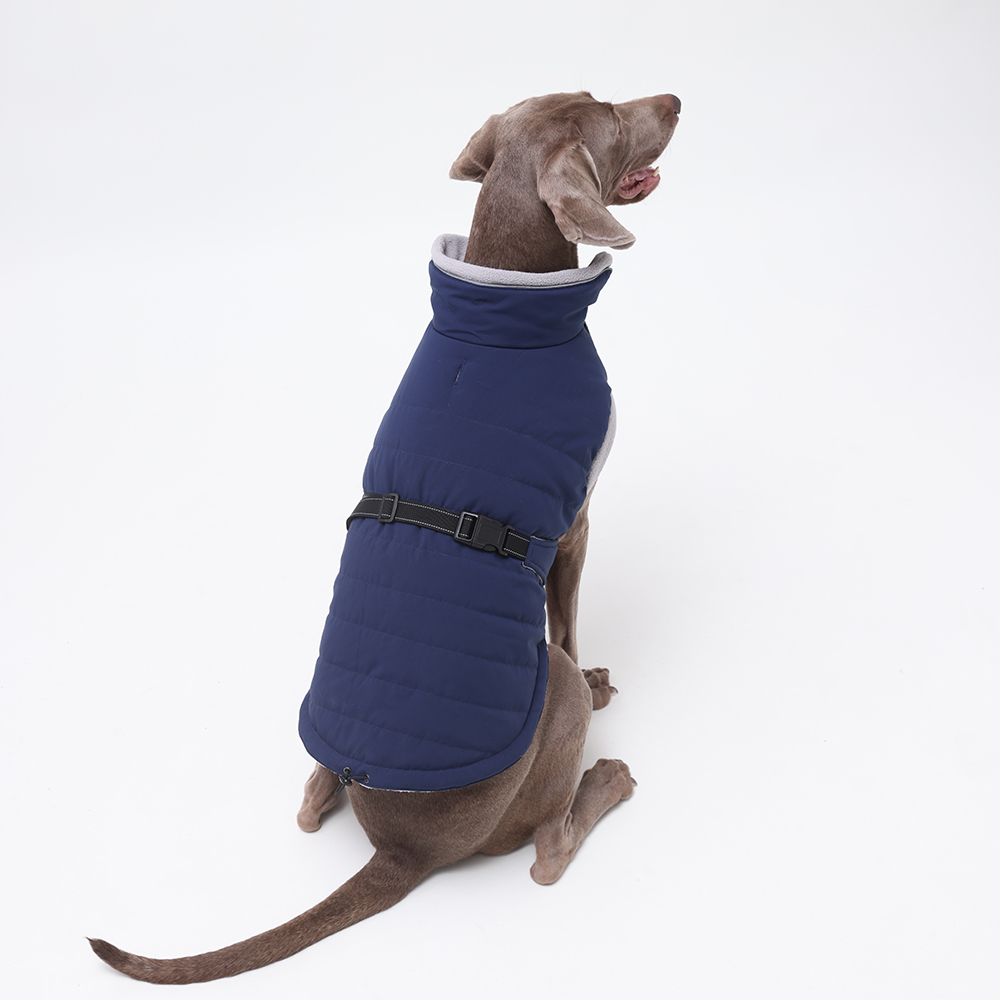
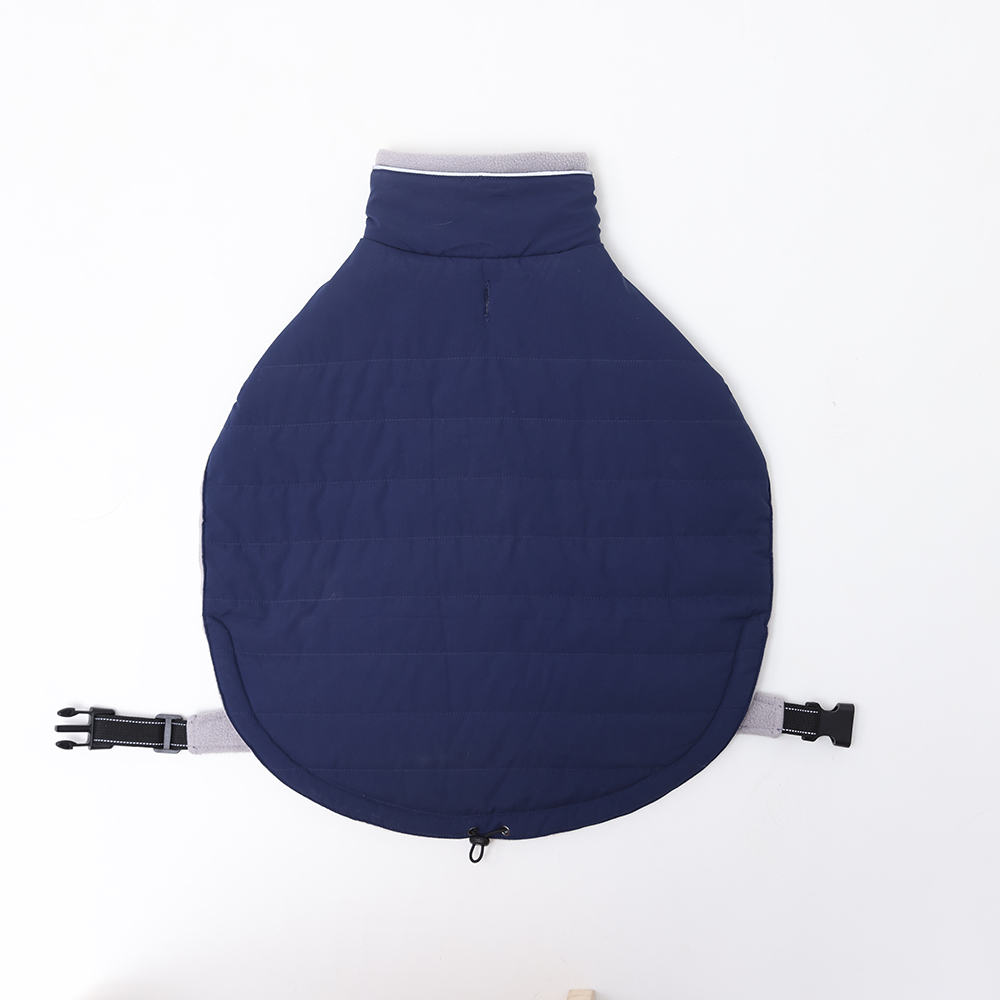
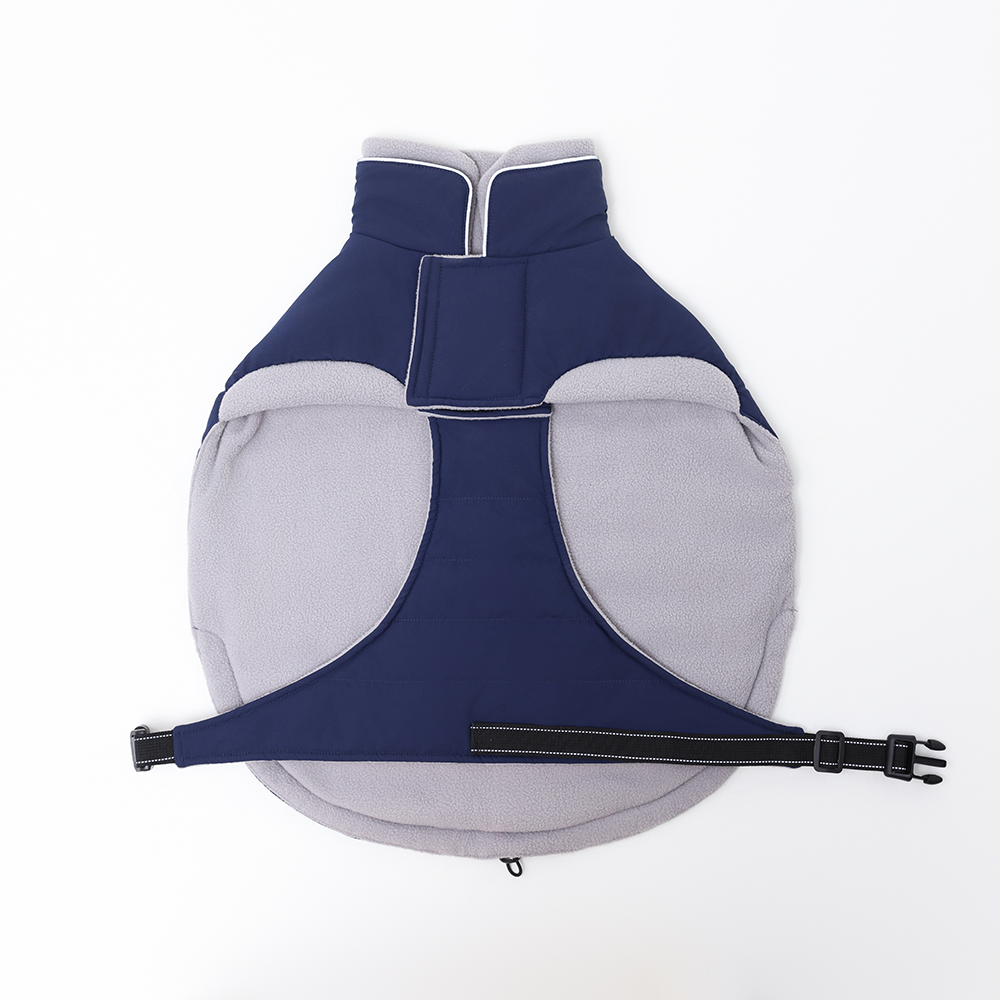
This waterproof polyester dog winter jacket combines a weather-protective outer layer with a polar fleece lining for cold-season walks. Its fit, closure, color, size grading, branding, and packaging can be developed for different pet markets. Wantalk supports OEM, ODM, private-label sampling, and bulk production for brands seeking a practical winter dog coat collection.
Product Description
We are a designated supplier for many brands. In order to develop more business with new and existing customers, we have established our own new pet Design sourcing and design department. We also have our own brands "Wan talk" and "Meow talk". 16 years of production and export experience. Maintain the habit of manual quality inspection to ensure the quality of goods. Own designers, can provide customers with satisfactory design services, 7-10 days for samples, 15-30 days for large goods, rapid response.
Description
Product Overview
This waterproof polyester dog winter jacket combines a weather-protective outer layer with a polar fleece lining for cold-season walks.
The polyester shell is designed to reduce water penetration during damp winter conditions, while the fleece lining adds a soft insulating layer around the dog’s body. The final warmth, waterproof performance, coverage, and fit depend on the selected materials and finished garment construction.
Wantalk supports OEM, ODM, and private-label development for pet brands, retailers, importers, and distributors. The fabric, lining, closure, size grading, colors, labels, and packaging can be developed around the intended climate, dog body shapes, retail price, and destination market.
Waterproof Polyester Shell
Outer Fabric
Polyester is widely used in winter pet apparel because it can be produced in different weights, textures, colors, and constructions. It can also receive coatings or finishes for improved resistance to rain, wet snow, and surface dirt.
Polyester fiber alone does not determine whether a finished jacket is waterproof. The performance of the final garment also depends on:
Fabric construction
Coating or membrane
Hydrostatic resistance
Seam placement
Stitch density
Closure design
Leash openings
Edge binding
Water pressure and exposure time
For a product carrying a quantified waterproof claim, the test method and acceptance level should be established before production.
Wet-Weather Coverage
The jacket is intended to provide winter body coverage during cold and damp outdoor conditions. Coverage should extend across the back and core while allowing the dog to walk, run, sit, and relieve itself without interference.
If extended exposure to heavy rain is expected, additional construction such as sealed seams, protected closures, or higher waterproof fabric specifications may be required.
Polar Fleece Lining
Polar fleece provides a soft inner surface and creates an insulating layer by holding air within its textile structure.
Actual warmth depends on:
Fleece weight
Fleece thickness
Fiber density
Body coverage
Wind exposure
Outer-shell construction
Garment fit
Dog breed and natural coat
Outdoor temperature
Activity level
A fleece lining should not be assigned a fixed temperature rating unless the completed garment has been evaluated under defined conditions.
Lining Comfort
The lining should lie smoothly against the body without creating hard folds near the shoulders, chest, or front legs.
Edge binding, seam placement, and labels should be checked during fitting so they do not create unnecessary rubbing. Long-haired dogs may also require a construction that reduces pulling or tangling around the closure.
Winter Use
A winter dog jacket can be useful for dogs that need additional coverage during cold or wet conditions.
Dogs that may benefit include:
Small and toy breeds
Short-haired dogs
Lean-bodied breeds
Hairless breeds
Puppies
Senior dogs
Dogs with clipped coats
Dogs that become cold during short outdoor walks
Dogs exposed to wet or windy winter conditions
Healthy large dogs with dense double coats may require less additional insulation. Jacket use should be based on the individual dog, weather, activity level, and duration outdoors rather than breed size alone.
Cold-Weather Monitoring
Owners should monitor the dog while the jacket is being worn.
Signs that the dog may still be too cold can include shivering, slowing down, lifting its paws, seeking shelter, or resisting continued movement.
Heavy panting, restlessness, or repeatedly attempting to remove the jacket may indicate discomfort or overheating. The jacket should be removed when the dog returns to a warm indoor environment unless continued wear is specifically appropriate.
The garment should not be used as a substitute for limiting exposure during severe weather.
Size and Fit
A winter dog coat should be selected from actual measurements rather than body weight or breed name alone.
The three main measurements are:
Chest Girth
Measure around the widest part of the rib cage, normally just behind the front legs. Keep the tape level without pulling it tightly into the fur.
Chest girth is usually the primary measurement because it affects closure, movement, and garment stability.
Back Length
Measure from the base of the neck, where the collar normally rests, to the base of the tail.
The back length helps determine how much of the body the jacket covers. It should not be measured from the top of the head or the end of the tail.
Neck Girth
Measure around the lower part of the neck where the jacket opening will sit.
The opening should provide enough room for movement without allowing excessive cold air or rain to enter.
Selecting a Size
Compare all three measurements with the size chart developed for the finished jacket.
If the measurements fall into different sizes, prioritize the dimension identified as primary in the approved chart. Chest girth is commonly the main fitting point, but the correct choice also depends on the garment pattern, adjustability, lining thickness, and intended layering.
A generic size chart should not be reused after changing the fleece thickness, closure, or garment pattern without conducting another fit review.
Mobility and Coverage
A properly fitted dog winter jacket should remain in place without restricting natural movement.
During sample fitting, check:
Shoulder movement
Front-leg clearance
Chest and belly coverage
Neck opening
Back length
Tail clearance
Sanitary opening
Closure pressure
Harness or collar access
Fabric movement when sitting
Rubbing near the front legs
The jacket should not twist to one side, slide toward the tail, or tighten across the shoulders during walking.
Layering
If the jacket will be worn over a harness, base layer, or sweater, the additional thickness should be included in the fitting process.
A coat developed for layering may require more internal room than a jacket designed to be worn directly over the dog’s natural coat.
Leash Connection
A leash opening or harness-access zipper can be included as a custom feature. Its position should match the type of harness or collar used in the destination market.
An opening can also create a route for water penetration, so its construction should be considered when defining waterproof performance.
Custom Design Options
Outer Materials
The polyester shell can be developed in different weights, finishes, textures, and colors.
Options may include:
Plain woven polyester
Ripstop-style polyester
Softshell construction
Quilted polyester
PU-coated fabric
Water-repellent finishes
Matte or glossy surfaces
Printed outer fabrics
Material selection should balance weather protection, softness, noise, weight, durability, care requirements, and price.
Lining Options
Polar fleece can be specified by weight, thickness, color, surface texture, and recycled content.
Lining options may include:
Lightweight fleece
Medium-weight fleece
High-pile fleece
Anti-pilling fleece
Printed fleece
Color-matched fleece
Recycled polyester fleece with supporting documentation
Changing the lining may affect warmth, weight, fit, drying time, and production cost.
Closure Options
Depending on the garment pattern, custom closures can include:
Hook-and-loop panels
Adjustable buckles
Snap fasteners
Zippers
Elastic sections
Combined closure systems
The closure should be easy for the owner to operate while remaining secure during normal movement.
Visibility and Walking Features
Optional features can include:
Reflective piping
Reflective printing
High-visibility colors
Collar opening
Harness-access opening
Reinforced leash-access zipper
Adjustable neck or belly sections
Elastic rear-leg straps
Reflective materials improve visibility but do not make the dog fully visible under every lighting condition. Owners should continue using suitable leads, lights, and supervision during low-light walks.
Branding and Packaging
Private-label development can cover:
Printed logos
Embroidery
Rubber logo patches
Woven labels
Size labels
Care labels
Hangtags
Header cards
Storage bags
Retail boxes
Barcode labels
Multi-language packaging
E-commerce shipping packaging
Artwork, colors, label wording, and packaging dimensions should be approved before bulk production.
Sustainable Materials
A sustainable product claim should be connected to specific materials, manufacturing information, or certification.
For a recycled-polyester version, development may include:
Recycled polyester outer fabric
Recycled polar fleece
Verified recycled-content percentage
Certified material suppliers
Transaction documentation
Reduced packaging
Recyclable packaging materials
Packaging weight reduction
Terms such as “sustainable,” “eco-friendly,” or “recycled” should not be used only because the product is made from polyester.
Where recycled claims are required, buyers should specify the applicable standard, evidence, labeling language, and destination-market rules before sourcing begins.
OEM and ODM Process
1. Product Brief
Provide the intended climate, target dog sizes, jacket style, outer fabric, waterproof requirement, fleece weight, closure, colors, branding, packaging, quantity, and target market.
2. Material Review
Wantalk reviews available outer fabrics, linings, trims, closures, reflective materials, and packaging options against the required function and price range.
Physical swatches are recommended when color, texture, softness, or fabric weight is important.
3. Pattern and Size Development
The pattern is developed around the intended chest, neck, and back measurements. Adjustment ranges and body coverage are incorporated into the size grading.
4. Sample Development
A sample is produced to review:
Appearance
Garment measurements
Fit
Movement
Material combination
Closure
Waterproof construction
Logo placement
Labels
Packaging
5. Sample Revision
Fit and construction changes are completed before the pre-production sample is approved.
Changes to the material, lining thickness, or closure may require another fit review.
6. Pre-Production Approval
The approved sample, measurement chart, material specification, color standard, artwork, packaging, and inspection criteria become the production reference.
7. Bulk Production
Bulk manufacturing begins after the sample and commercial terms are approved. Lead time depends on material availability, color quantity, size breakdown, customization, testing, packaging, and order volume.
8. Inspection and Shipping
Finished garments are inspected against the approved sample and production documents before packing and shipment.
Quality Control
A winter dog jacket should be inspected for both garment workmanship and intended function.
Inspection points can include:
Fabric composition
Fabric weight
Coating consistency
Fleece weight and surface condition
Color consistency
Garment dimensions
Size grading
Seam alignment
Stitching condition
Closure position and operation
Logo placement
Reflective trim position
Leash-opening construction
Lining attachment
Edge binding
Label accuracy
Packaging quantity
Carton markings
Depending on the order, testing may cover:
Hydrostatic resistance
Spray resistance
Colorfastness
Dimensional change after washing
Seam strength
Closure durability
Fabric abrasion
Pilling
Restricted substances
Recycled-content documentation
The applicable test method, sample size, acceptance level, and responsible laboratory should be agreed before production.
Product Information
Item
Description
Product Type
Dog winter jacket
Outer Material
Polyester
Weather Function
Waterproof winter coverage
Inner Material
Polar fleece
Primary Use
Cold-season outdoor wear
Size Development
Based on chest, back and neck measurements
Colors
Custom color development available
Closure
Developed according to the approved design
Optional Features
Reflective trim, leash access and adjustable sections
Branding
Private-label logo and label options
Packaging
Custom retail and shipping packaging
Business Service
OEM, ODM and OBM
Sample Development
Available before bulk production
Bulk Production
Based on approved specifications and sample
Waterproof performance, fleece weight, garment measurements, closure type, care instructions, and optional features follow the approved order specification.
Ordering Requirements
For product development and quotation, provide:
Target dog size range
Chest, back and neck measurements
Intended winter climate
Required outer material
Waterproof or water-resistant requirement
Required test method or rating
Fleece type and weight
Closure preference
Harness or collar access requirement
Reflective requirements
Color references
Logo artwork
Label wording
Packaging format
Estimated quantity
Destination market
Compliance requirements
Desired delivery date
A reference garment can be supplied when the new design must follow an existing fit, pattern, or material standard.
Care and Storage
Care instructions must match the approved fabric, coating, fleece, trims, and logo application.
Unless the product care label states otherwise:
Secure all closures before washing
Remove loose dirt after outdoor use
Wash with mild detergent
Use cold or low-temperature water
Avoid bleach and aggressive solvents
Avoid fabric softener when it may affect the water-repellent finish
Air-dry away from direct heat
Do not store the jacket while damp
Keep hook-and-loop closures free of hair
Inspect seams and fasteners regularly
High-temperature drying or ironing may damage waterproof coatings, deform closures, or affect printed and reflective components.
Regular cleaning is important because damp fleece, hair, dirt, and road residue can affect comfort and create odor during storage.
Manufacturing Support
Wantalk has focused on pet clothing and accessories since 2008 and supports OEM, ODM, OBM, sample development, private labeling, bulk production, quality inspection, packaging, and international shipping.
The company maintains purchasing and design functions for developing pet apparel around different brand identities, climates, customer groups, and regional markets.
Customers can request relevant factory audit documents and order-specific material or test information. Product compliance should be evaluated according to the supplied materials, intended claims, destination market, and retailer requirements.
Frequently Asked Questions
Is polyester naturally waterproof?
No. Polyester can resist moisture, but meaningful waterproof performance usually depends on fabric construction, coating, membrane, seams, and the finished garment design.
What is the difference between waterproof and water-resistant?
Water-resistant fabric can handle limited moisture or light rain. Waterproof performance indicates a higher resistance to water penetration and should be supported by a defined test method and rating.
How warm is the polar fleece lining?
Warmth depends on the fleece weight, density, coverage, outer fabric, fit, wind, temperature, and the dog’s natural coat. A temperature rating should not be used without appropriate evaluation.
How should I choose the correct size?
Measure around the widest part of the chest, from the base of the neck to the base of the tail, and around the lower neck. Compare all measurements with the product-specific size chart.
Which measurement is most important?
Chest girth is commonly the primary measurement because it affects closure and mobility. Back length and neck size should still be checked for proper coverage.
Can the jacket be worn over a harness?
A jacket may be developed with a harness-access opening or extra room for layering. Harness dimensions and attachment position should be included during sample development.
Does every dog need a winter jacket?
No. The need depends on breed, natural coat, age, health, activity, weather, and outdoor exposure. Small, short-haired, lean, young, or older dogs are more likely to benefit from additional coverage.
Can a dog wear the jacket indoors?
The jacket is intended primarily for cold-weather use. It should normally be removed in warm indoor environments to reduce the risk of discomfort or overheating.
How should the waterproof coating be cleaned?
Use the approved care instructions, mild detergent, and low-temperature cleaning. Strong bleach, solvents, fabric softeners, high heat, and ironing may damage some coatings.
Can recycled polyester be used?
Yes, recycled polyester outer fabric or fleece can be discussed during OEM or ODM development. The recycled-content claim should be supported by suitable supplier and certification documents.
Can reflective trim and a leash opening be added?
Yes. Reflective details, collar access, harness openings, adjustable sections, and other functional features can be included in the custom design.
Is private-label packaging available?
Yes. Logo application, woven labels, care labels, hangtags, header cards, storage bags, retail boxes, barcode labels, and multi-language packaging can be developed.
Can I receive a sample before bulk production?
Yes. Sampling allows the buyer to review fit, materials, waterproof construction, lining, closure, color, branding, and packaging before production approval.
What determines the minimum order quantity?
MOQ depends on fabric availability, custom colors, lining, closure components, logo method, size breakdown, packaging, and any new tooling or testing requirements.
What affects the production lead time?
Lead time depends on material sourcing, sample revisions, size and color combinations, order quantity, testing, custom accessories, packaging, and shipping arrangements.
OEM & ODM Pet Winter Apparel
Develop a Winter Dog Jacket for Your Brand
Send us your target dog sizes, winter climate, waterproof requirement, shell and fleece specifications, closure, colors, logo, packaging, and estimated quantity. Wantalk will review the design and prepare a sampling plan for your winter dog coat collection.